

Gaps between teeth are common and, for many people, are simply part of their natural smile. But if you’re unhappy with the appearance of a gap or find that food regularly becomes trapped between your teeth, you may be wondering whether it can be corrected.
The good news is that gaps between teeth can often be treated with orthodontic treatment, including clear aligners for suitable cases.
Here’s what you need to know about gaps between teeth and how they can be treated.
What Causes Gaps Between Teeth?
A gap between two teeth is known as a diastema. Gaps can occur for a number of reasons, and the cause can influence which treatment is most appropriate.
Common causes include:
-
Genetics and the natural size of your teeth
-
Differences between tooth and jaw size
-
Missing teeth
-
Childhood habits such as thumb sucking
-
Tongue positioning or other oral habits
-
A larger frenum between the front teeth
-
Teeth shifting over time
Some people have always had a gap, while others notice spaces developing or becoming larger as they get older.
Can Clear Aligners Close Gaps?
Yes, clear aligners can close many gaps between teeth, depending on the size and location of the space and the overall health and alignment of your teeth.
Aligners are custom-made to your treatment plan. Each aligner applies controlled pressure to gradually move your teeth into new positions.
For suitable patients, this can help bring spaced teeth closer together while also improving overall alignment.
However, not every gap should simply be closed. Your dentist needs to assess why the gap is present before determining the most appropriate treatment.
How Does Gap Closure Treatment Work?
At Aalto, treatment begins with an in-clinic assessment at a partner dental clinic.
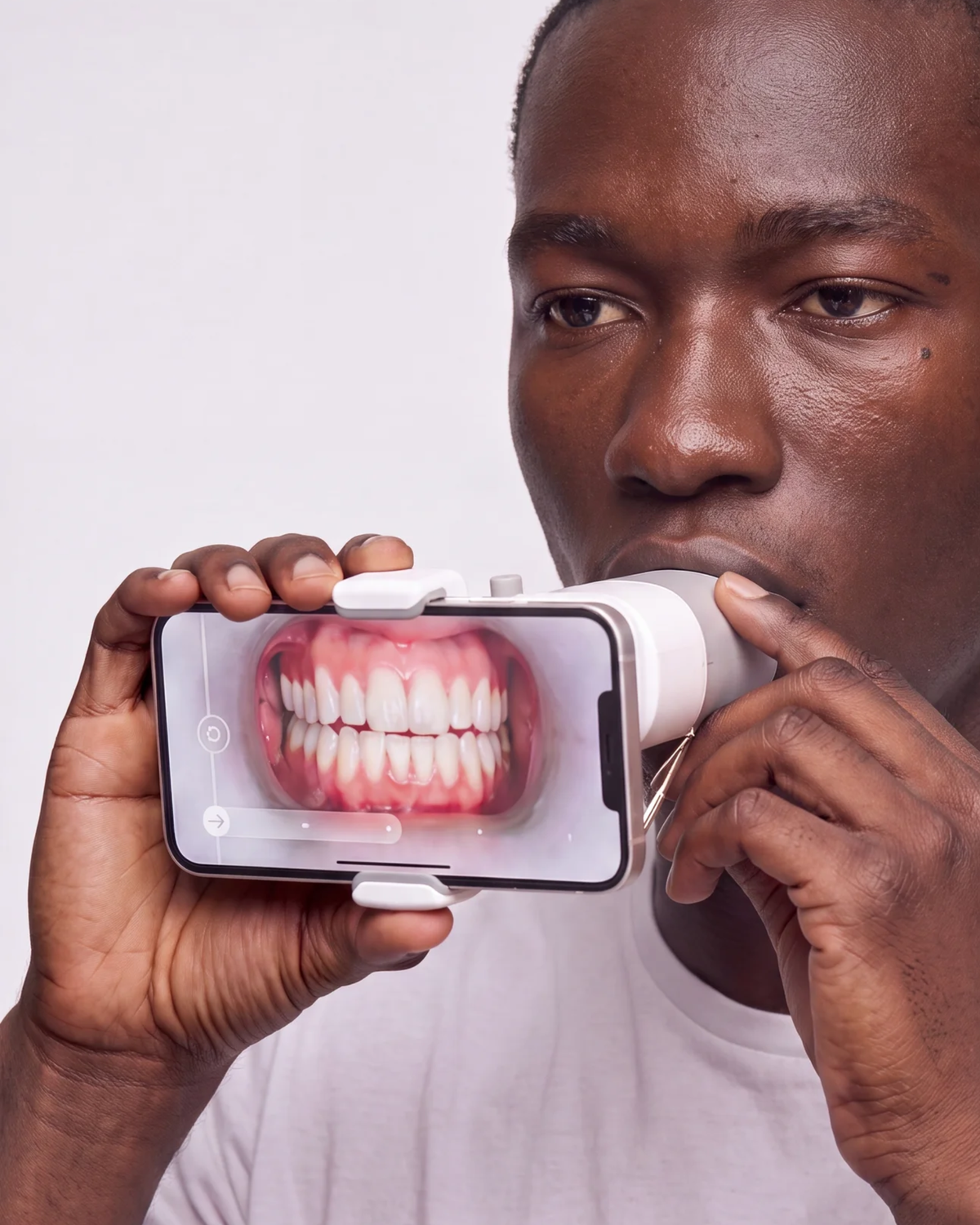
Your treating dentist will assess your teeth, gums and bite and take the necessary digital records, including a 3D scan.
If clear aligners are suitable, your treatment is planned digitally to determine how your teeth should move throughout the process.
Your custom aligners are then made according to your treatment plan. As you progress through each stage, the aligners gradually guide your teeth towards their planned positions.
How Long Does It Take to Close a Gap?
Treatment time depends on the size of the gap, the position of your teeth and whether other alignment or bite issues also need to be addressed.
A small gap may require less treatment than multiple or larger spaces.
Your treatment timeline will be determined as part of your personalised treatment plan, rather than based on the size of the gap alone.
Consistently wearing your aligners as instructed is also important for keeping treatment progressing as planned.
Can Gaps Between Teeth Affect Oral Health?
Not every gap causes dental problems. However, spaces between teeth can sometimes make it easier for food and plaque to collect in certain areas, particularly if they are difficult to clean properly.
The most important factor is maintaining good oral hygiene regardless of whether you choose to close the gap.
Brushing twice a day, flossing or using interdental cleaning tools, and attending regular dental check-ups can help keep your teeth and gums healthy.
Other Ways to Close a Gap
Clear aligners aren't the only option for treating gaps.
Depending on the cause and size of the space, your dentist may discuss options such as:
Dental Bonding
Composite resin can sometimes be used to change the shape of teeth and reduce the appearance of a small gap.
Veneers
Veneers can alter the appearance of teeth and may be suitable for certain cosmetic concerns. They involve placing a thin layer of material over the front surface of the tooth.
Braces
Traditional braces can also be used to move teeth and close spaces, particularly when more comprehensive orthodontic treatment is required.
The best option depends on the individual patient and the cause of the gap.
Why Choose Clear Aligners?
For suitable cases, clear aligners offer several benefits:
-
Discreet: Clear aligners are designed to be much less noticeable than traditional braces.
-
Removable: You can remove them for eating, drinking and your normal oral hygiene routine.
-
Custom-made: Each aligner is created according to your individual treatment plan.
-
Convenient: Digital monitoring can help reduce unnecessary in-clinic visits during treatment.
What Happens After the Gap Is Closed?
Once your active treatment is complete, your teeth will need to be maintained in their new positions.
Retainers are an important part of orthodontic treatment because teeth can naturally shift over time.
Your dental professional will provide instructions on how and when to wear your retainers to help maintain your results.
Is Closing a Gap Right for You?
Whether you choose to close a gap is completely personal.
Some people love their natural gap and wouldn't change it. Others may feel more confident with a more closely aligned smile.
If you're considering treatment, the first step is understanding why the gap is there and whether it can be safely corrected.
At Aalto, your journey begins with an in-clinic assessment with a treating dentist. If clear aligners are appropriate for your smile, your dental team can create a personalised treatment plan based on your individual needs.
Ready to Close the Gap?
If you're unhappy with gaps between your teeth, clear aligners may be an option worth exploring.
Book an initial assessment at an Aalto partner clinic to find out whether clear aligner treatment is suitable for your smile and what your personalised treatment plan could look like.


Share:
Overcoming Clear Aligner Challenges
How to Fix an Overbite