

If you've been thinking about straightening your teeth, one of the first questions you're likely to ask is:
“Am I actually a candidate for clear aligners?”
You might assume your teeth are too crowded, your bite is too complicated or your concerns are too minor to justify treatment.
The truth is that suitability can't be determined from a photograph or from how your smile looks in the mirror.
Clear aligners can treat a broad range of orthodontic concerns, but whether they're appropriate for you depends on your individual teeth, bite, oral health and treatment goals.
What can clear aligners treat?
Clear aligners are used to treat many different types of tooth movement.
Depending on the individual case, treatment may address:
-
Crowding
-
Spacing
-
Rotated teeth
-
Certain bite concerns
-
Relatively minor alignment issues
-
More involved orthodontic movements
Modern aligner treatment is considerably more sophisticated than the early versions of clear aligner therapy.
However, that doesn't mean every case should be treated with aligners.
The right treatment depends on the patient.
Does the severity of my teeth matter?
Yes, but it's only one part of the picture.
Someone with significant-looking crowding may still be suitable for clear aligners, while someone whose teeth appear relatively straight may have a bite or dental-health issue that needs to be addressed first.
This is why looking at your front teeth isn't enough.
Your dentist needs to assess how your teeth sit within the mouth, how they meet together and what movements would be required.
Your bite matters
Orthodontic treatment isn't only about straight teeth.
Your upper and lower teeth need to work together.
Your dentist will consider the way your teeth meet and whether the proposed tooth movements are appropriate for your bite.
Depending on your individual situation, your treatment may need to address both alignment and bite.
Your oral health matters too
Your teeth and gums need to be healthy enough for orthodontic treatment.
Issues such as untreated tooth decay or active gum disease may need to be addressed before you begin moving your teeth.
This isn't unique to clear aligners.
It is part of responsible orthodontic care.
Your dentist can assess your oral health and explain whether anything needs to be treated before aligner treatment begins.
What about dental restorations?
Crowns, veneers, bridges, fillings and dental implants can all be relevant when planning orthodontic treatment.
For example, dental implants are fixed within the bone and cannot be moved in the same way as natural teeth.
Existing restorations may also affect how an aligner fits or how attachments can be placed.
This doesn't automatically mean you can't have clear aligners.
It simply means your dentist needs to consider the full picture when planning your treatment.
What if I have a lot of crowding?
Crowding can range from very minor to significant.
Depending on the amount of space required and the position of your teeth, treatment may involve techniques such as:
-
Expansion
-
Tooth movement
-
IPR
-
Attachments
-
Other orthodontic techniques
In some cases, clear aligners may be appropriate.
In others, a different treatment approach may be recommended.
There isn't a single crowding threshold that determines whether someone is a candidate.
What if my teeth are only slightly crooked?
You don't need to have severe orthodontic problems to consider treatment.
Some patients seek treatment for relatively small alignment concerns, while others have more significant functional or aesthetic concerns.
The question isn't whether your teeth are “bad enough”.
It's whether orthodontic treatment is appropriate and whether the expected benefits justify treatment.
Can adults have clear aligners?
Yes.
Clear aligner treatment isn't limited to teenagers.
Adults often choose clear aligners because they can be discreet and fit around work, social and lifestyle commitments.
However, age isn't the only consideration.
Your dentist will still need to assess your teeth, gums, bite and overall oral health.
Why an in-person assessment matters
Online smile quizzes can be a useful starting point.
They can help you understand whether it's worth exploring treatment, but they cannot provide a complete clinical assessment.
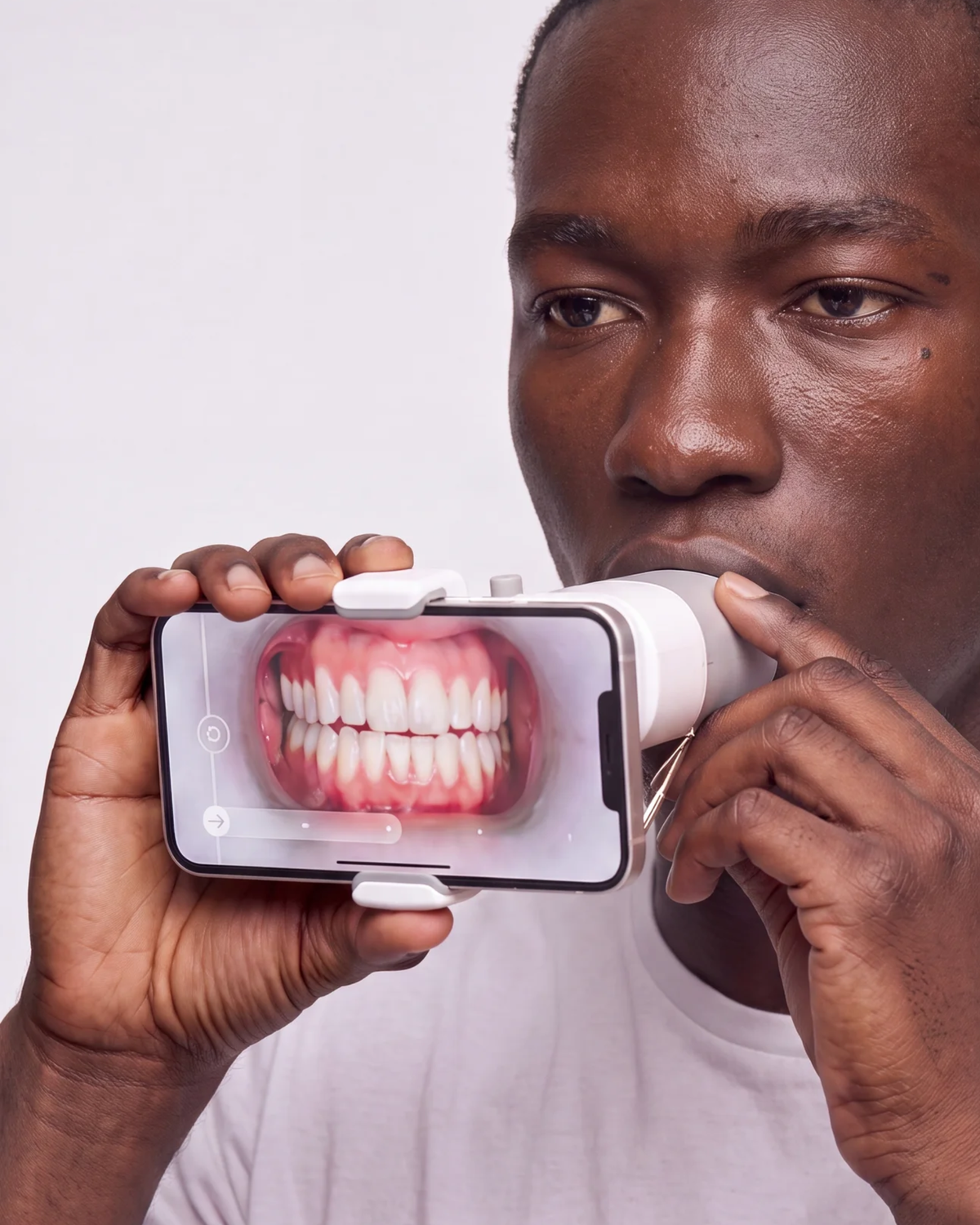
At Aalto, treatment begins with an in-clinic assessment and digital scan.
This gives your dental team more information about your teeth and allows them to consider your treatment options properly.
What happens during an assessment?
Your dentist will assess your teeth and oral health and consider your treatment goals.
A digital scan can create a detailed 3D representation of your teeth, which can then be used as part of the treatment-planning process.
From there, your dental team can determine whether clear aligners are appropriate and explain what your treatment may involve.
What if I need IPR or attachments?
Needing IPR or attachments doesn't automatically mean you're not a clear aligner candidate.
These are common tools that can be incorporated into appropriate treatment plans.
IPR can create small amounts of additional space, while attachments can help control specific tooth movements.
Your dentist will determine whether either is appropriate for you.
What if clear aligners aren't right for me?
A proper assessment isn't about trying to sell you a particular treatment.
Sometimes the appropriate answer is that clear aligners aren't the best option.
If that's the case, your dentist can explain why and discuss alternative approaches where appropriate.
The goal should be an appropriate treatment plan, not simply getting someone into aligners.
Frequently Asked Questions
How do I know if I'm suitable for clear aligners?
The best way to determine suitability is through an assessment by a qualified dental professional who can evaluate your teeth, bite and oral health.
Can clear aligners fix crowded teeth?
Clear aligners can treat many cases of crowding. The appropriate approach depends on the severity of the crowding and the movements required.
Can clear aligners fix gaps?
Clear aligners can be used to close many types of spaces between teeth. Your dentist will assess the cause and size of the gaps before recommending treatment.
Are clear aligners suitable for adults?
Adults can be candidates for clear aligner treatment. Your dentist will assess your individual oral health, teeth and bite rather than determining suitability based on age alone.
Can I get clear aligners if I have fillings or crowns?
Possibly. Existing dental restorations don't automatically prevent treatment, but your dentist needs to consider them during treatment planning.
Can clear aligners fix every orthodontic problem?
No. Clear aligners are capable of treating many orthodontic concerns, but they aren't appropriate for every case.
The bottom line
You don't need to guess whether you're a candidate for clear aligners.
The appearance of your smile can give you an idea of what you'd like to change, but only a proper clinical assessment can determine whether clear aligner treatment is appropriate and what would be involved.
The right starting point isn't asking whether you look like a clear aligner candidate. It's having your teeth properly assessed.


Share:
Why Clear Aligner Prices Vary
Travel Tips for Clear Aligners