

Habits, Causes and What You Can Do
If your teeth have become more crowded or uneven over time, you might wonder why it has happened.
Sometimes the answer is genetics or the way your teeth and jaws developed. In other cases, habits, tooth loss or changes in your oral health can contribute to the position of your teeth.
And if your teeth were once straight but have gradually shifted, you're not imagining it. Teeth can move throughout your life.
Understanding why teeth become crooked can help you protect your oral health and decide whether orthodontic treatment could be right for you.
What Causes Crooked Teeth?
There isn't always one single cause of crooked teeth. Several factors can influence how your teeth develop and how they move over time.
Genetics and Jaw Development
Your genes play an important role in the development of your teeth and jaws.
The size and shape of your jaw, the size of your teeth and the way your upper and lower jaws relate to one another can all influence how much space is available for your teeth.
This is one reason why crowding and other alignment concerns can run in families.
Childhood Habits
Some habits during childhood can influence the development and position of the teeth and jaws when they continue for an extended period.
Prolonged thumb sucking or dummy use, for example, can place pressure on developing teeth and may contribute to changes in tooth position or bite.
If you're concerned about a child's oral development, your dentist can provide individual advice about when a habit should be addressed.
Tongue and Oral Habits
The way the tongue, lips and other muscles of the mouth function can influence tooth position in some circumstances.
Certain persistent oral habits may contribute to changes in the alignment of the teeth, particularly while the jaws are still developing.
However, not every difference in tongue position or swallowing pattern will cause crooked teeth, so it's important not to assume that a particular habit is responsible without professional assessment.
Missing or Early-Lost Teeth
Losing a tooth can change the space available within your mouth.
When a tooth is lost, neighbouring teeth may gradually move into the available space. Similarly, losing baby teeth earlier than expected can sometimes affect how permanent teeth develop and erupt.
This is one reason why replacing missing teeth and maintaining regular dental care is important.
Dental Problems and Gum Disease
Tooth decay, gum disease and other oral health problems can affect the supporting structures around your teeth.
In more advanced cases, periodontal disease can lead to loss of support and changes in tooth position.
This is why keeping your teeth and gums healthy is an important part of maintaining your smile, whether or not you have orthodontic treatment.
Can Everyday Habits Damage or Move Your Teeth?
Some everyday habits can put unnecessary stress on your teeth.
Nail Biting
Regular nail biting can place repeated pressure on the teeth and may contribute to wear or damage over time.
It can also introduce bacteria into your mouth and damage the skin around your nails.
Chewing Pens or Other Hard Objects
Chewing on pens, pencils or other hard objects can put excessive pressure on your teeth and potentially cause chips, cracks or other damage.
It's a small habit that's worth breaking if you find yourself doing it regularly.
Using Your Teeth as Tools
Opening packaging, cutting tape or holding objects with your teeth can cause unnecessary damage.
Your teeth are designed for biting and chewing food — not opening bottles or tearing plastic.
Why Do Teeth Become Crooked Again After Braces or Aligners?
One of the most common reasons adults notice their teeth becoming crooked is that they've moved after previous orthodontic treatment.
This is known as orthodontic relapse.
Teeth aren't permanently fixed in place after braces or clear aligners are removed. The tissues surrounding them continue to adapt, and teeth naturally have a tendency to move over time.
This is why retainers are such an important part of orthodontic treatment.
Wearing your retainers according to your dentist or orthodontist's instructions helps maintain the position you've achieved.
Can You Prevent Your Teeth From Becoming Crooked?
You can't control every factor that affects tooth alignment, particularly genetics and natural changes that occur throughout life.
However, there are things you can do to protect your teeth and reduce the risk of problems that can affect their position.
These include:
-
Maintaining good brushing and flossing habits
-
Having regular dental examinations
-
Treating tooth decay and gum disease promptly
-
Avoiding habits such as nail biting and chewing hard objects
-
Wearing retainers as instructed after orthodontic treatment
-
Seeking professional advice if you notice a significant change in your bite or tooth position
Do Crooked Teeth Need to Be Straightened?
Not necessarily.
Some people have naturally crooked or crowded teeth without experiencing significant functional problems. Whether treatment is appropriate depends on your individual circumstances, including your oral health, bite, the position of your teeth and your personal goals.
For some people, orthodontic treatment is primarily about improving the appearance of their smile. For others, addressing tooth position may also form part of improving function or making certain areas easier to keep clean.
Your dentist can help you understand whether treatment would be beneficial in your particular case.
Can Clear Aligners Straighten Crooked Teeth?
Clear aligners can be used to treat many cases of crooked or crowded teeth.
They work by applying controlled forces to gradually move teeth according to a personalised treatment plan.
However, clear aligners aren't suitable for every case. The type and complexity of tooth movement required will determine whether aligners are an appropriate treatment option.
This is why an assessment should come before starting treatment.
Straightening Crooked Teeth With Aalto
At Aalto, your treatment begins with an in-clinic assessment with a treating dentist.
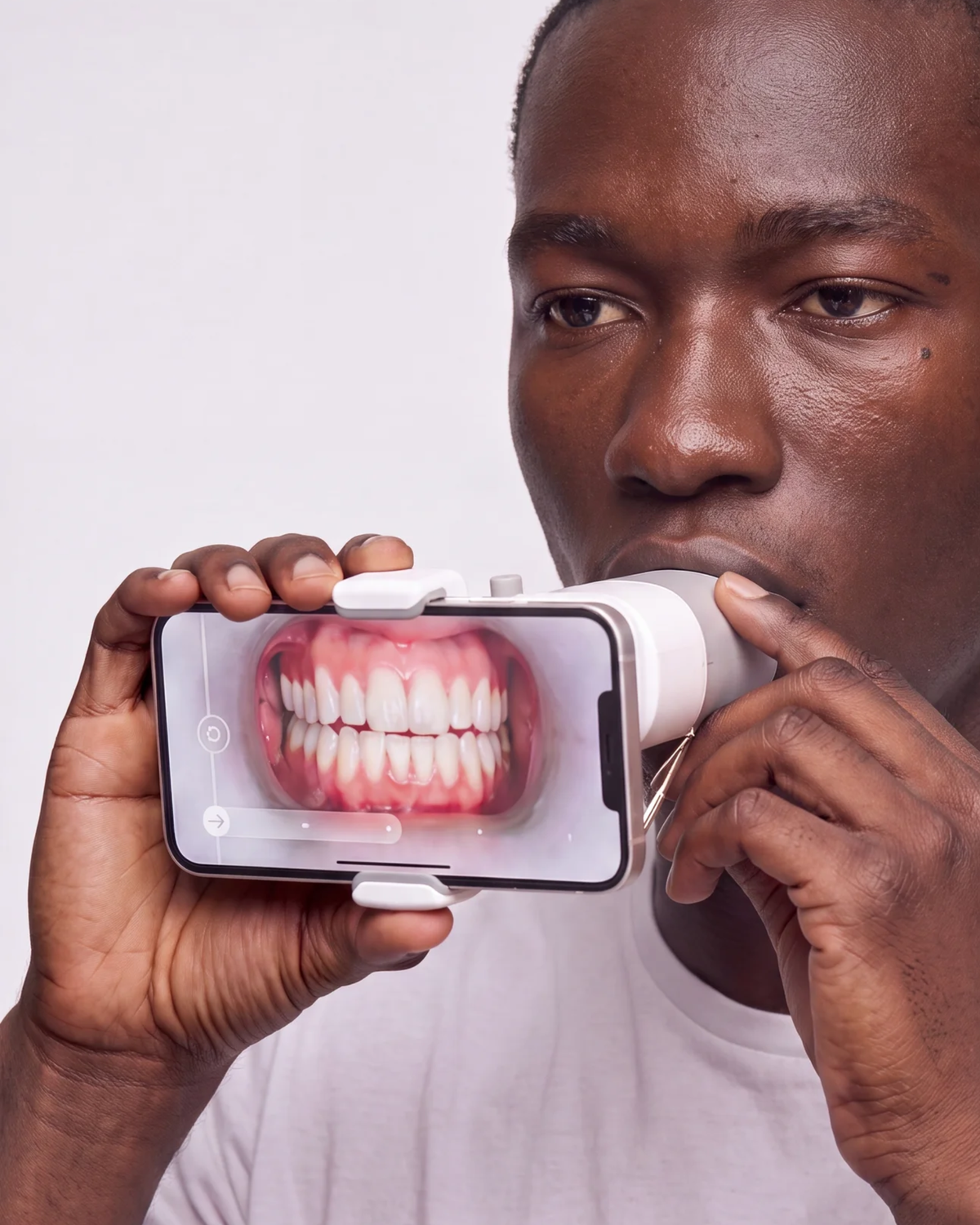
Your teeth, gums and bite are assessed, and digital scans can be used to help develop a personalised treatment plan.
If clear aligners are clinically appropriate, a series of custom aligners is created to gradually move your teeth towards their planned positions.
During treatment, digital monitoring can also help your dental team track your progress between appointments.
The aim isn't simply to make your teeth look straighter. It's to develop a treatment plan that is appropriate for your individual teeth, bite and clinical needs.
The Bottom Line
Crooked teeth can develop for many different reasons, from genetics and jaw development to childhood habits, missing teeth and natural movement over time.
Some causes are outside your control, but maintaining good oral health and addressing problems early can help protect your teeth.
And if you're unhappy with the position of your teeth, you don't have to guess whether orthodontic treatment could help.
An assessment with a dental professional can help you understand why your teeth are positioned the way they are and whether clear aligners or another treatment option could be appropriate for you.


Share:
Clear Aligners for Adults
How Long Do Clear Aligners Take?