

How to Clean and Look After Your Aligners
Starting clear aligner treatment is about more than simply wearing your trays. Looking after your aligners properly and maintaining good oral hygiene can help keep your treatment on track, reduce unwanted odours and keep your aligners looking clear throughout your journey.
From cleaning your trays to knowing when to contact your dentist, here's what you need to know about clear aligner care.
Clean Your Aligners Every Day
Your aligners spend many hours in your mouth, so keeping them clean is an important part of your daily routine.
Rinse your aligners with cool or lukewarm water when you remove them and clean them regularly using a soft toothbrush and a cleaning method recommended by your dental professional or aligner manufacturer.
Avoid very hot or boiling water, as heat can distort the plastic and affect the fit.
It's also best to avoid abrasive products, including whitening or gritty toothpastes, which can scratch the surface of your aligners and make them appear cloudy.
If you're unsure which cleaning products are suitable for your particular aligners, ask your treating dentist.
Keep Your Teeth Clean Too
Looking after your aligners doesn't replace your normal oral hygiene routine.
Brush your teeth twice a day with fluoride toothpaste and clean between your teeth daily using floss or another interdental cleaning method recommended by your dentist.
Food and plaque trapped underneath an aligner can remain against your teeth for extended periods, making good oral hygiene particularly important during treatment.
Ideally, brush your teeth before putting your aligners back in after meals.
If you can't brush immediately, rinse your mouth and your aligners with water before putting them back in, then clean your teeth properly when you can.
Wear Your Aligners as Instructed
Clear aligners work through consistent wear.
Your treating dentist will give you specific instructions about how long you should wear your aligners each day. For many treatment plans, this will be around 20–22 hours per day.
Removing your aligners unnecessarily or regularly wearing them for fewer hours than instructed can affect how your teeth move and may extend your treatment.
Your aligners should generally only be removed when instructed, such as for eating, drinking anything other than water, brushing and cleaning.
What Can You Drink While Wearing Aligners?
Water is generally the safest drink to have while wearing clear aligners.
Remove your aligners before drinking hot drinks, coffee, tea, soft drinks, juice, wine or other beverages unless your dental professional has specifically advised otherwise.
Coloured drinks can stain your aligners, while sugary or acidic drinks can remain trapped against your teeth when the aligners are in place.
After eating or drinking, clean your teeth before replacing your aligners where possible.
Store Your Aligners Safely
When your aligners aren't in your mouth, keep them in their case.
Avoid wrapping them in tissues or leaving them loose on tables and benches. Aligners can easily be mistaken for rubbish, lost or damaged.
Keeping your case with you makes it much easier to store your aligners safely when you're eating or cleaning your teeth.
It's also a good idea to keep your aligner case clean.
Never Use Hot Water on Your Aligners
This is one of the simplest mistakes to avoid.
Clear aligners are made from thermoplastic materials, so exposing them to high temperatures can change their shape.
Always use cool or lukewarm water when rinsing your aligners and follow the manufacturer's cleaning instructions.
If an aligner appears warped or no longer fits correctly, don't try to reshape it yourself. Contact your treating dental professional for advice.
What If Your Aligner Feels Tight?
A new aligner may feel tight when you first put it in. Some pressure or mild tenderness can be normal as your teeth adjust to the new stage of treatment.
However, your aligner should fit properly and shouldn't cause significant or persistent pain.
Contact your treating dentist if:
-
Your aligner doesn't fit as expected
-
You experience significant or ongoing pain
-
An aligner is cracked or damaged
-
An attachment becomes loose
-
Your gums or cheeks are being repeatedly irritated
-
You have lost an aligner
Don't simply move on to your next aligner without professional advice if you're experiencing a problem with your current one.
What Happens If You Lose or Damage an Aligner?
If you lose or damage an aligner, contact your treating dental professional as soon as possible.
They can advise you on whether you should continue wearing a previous aligner, move to the next stage or have a replacement made.
The correct solution depends on where you are in your treatment and how your teeth are progressing, so it's better to get individual advice rather than making the decision yourself.
Don't Forget Your Dental Appointments
Clear aligners may reduce the need for some routine in-person visits through digital monitoring, but they don't replace professional dental care.
Your treating dentist remains responsible for your clinical care and may need to assess your teeth and gums throughout treatment.
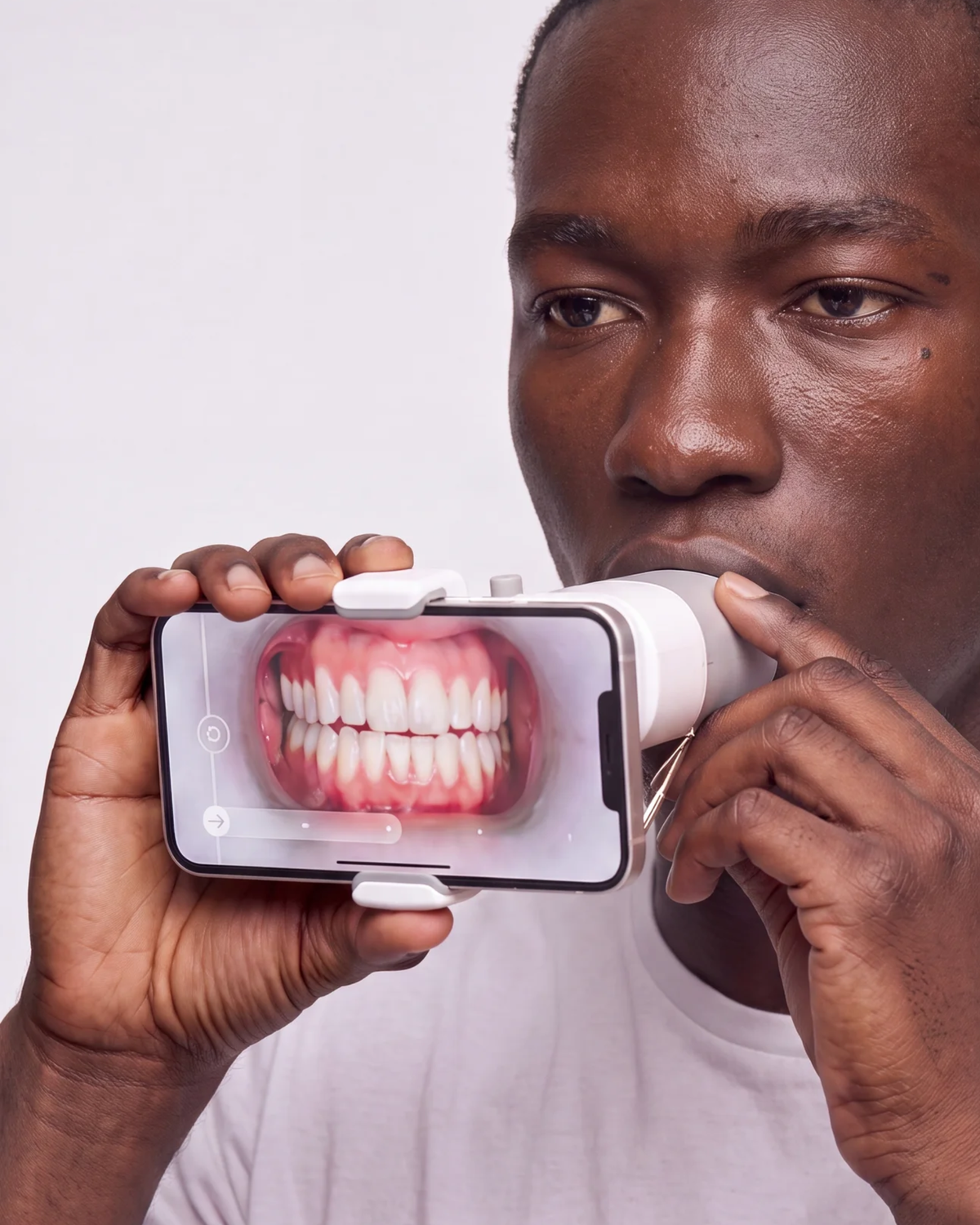
If you're using Aalto's digital monitoring system, you may also be asked to complete regular scans using the Aalto ScanBox and Dental Monitoring technology.
These scans can help your dental team monitor your progress between appointments and identify when further assessment may be required.
Looking After Your Smile After Treatment
Taking care of your smile doesn't stop when you finish your final aligner.
Once your active treatment is complete, your dentist will advise you about retainers and how frequently you should wear them.
Teeth naturally have a tendency to move over time, so wearing your retainers as instructed is an important part of maintaining your result.
A Simple Daily Clear Aligner Routine
If you want to keep things simple, your daily routine can look something like this:
Morning:
Brush and floss your teeth, then clean your aligners before putting them back in.
During the day:
Remove your aligners for meals and drinks other than water. Rinse them with water before putting them back in.
Evening:
Brush and floss thoroughly and clean your aligners before wearing them overnight.
When you're not wearing them:
Keep your aligners safely inside their case.
The exact routine may vary depending on your treatment plan and the instructions provided by your dental professional.
Clear Aligner Care With Aalto
Aalto provides clear aligner treatment supported by in-clinic dental care and digital treatment monitoring.
Your treating dentist will provide instructions specific to your treatment, including how to wear and care for your aligners and what to do if you experience a problem.
Following those instructions consistently is one of the most important things you can do to help your treatment progress as planned.
The Bottom Line
Clear aligner care doesn't have to be complicated.
Keep your aligners clean, maintain excellent oral hygiene, wear your trays according to your treatment instructions, store them safely and contact your dental professional if something doesn't feel right.
Taking a few extra minutes each day to look after your aligners can make them easier to wear, keep them looking clearer and help you stay on track throughout your treatment.
If you're considering clear aligners, speak with a dental professional about whether they're suitable for your smile and what caring for your aligners will involve.


Share:
How Aalto Clear Aligners Work
Why It’s Never Too Late to Straighten Your Teeth