

Why Alignment Matters
Crooked teeth are often thought of as a cosmetic concern, but alignment can also affect how easily you clean your teeth and maintain good oral health.
Crowded, overlapping or rotated teeth can create areas that are harder to reach with a toothbrush or floss. Over time, this can make it easier for plaque and food particles to build up.
That doesn't mean crooked teeth automatically cause health problems. However, maintaining good oral hygiene can be more challenging when teeth are significantly crowded or difficult to access.
So, what should you know about crooked teeth and your oral health?
How Crooked Teeth Can Affect Oral Hygiene
One of the biggest challenges associated with crowded or misaligned teeth is cleaning.
When teeth overlap or sit at unusual angles, there may be areas that are difficult to reach with a toothbrush or floss. These spaces can allow plaque to accumulate.
If plaque isn't removed regularly, it can contribute to:
-
Tooth decay
-
Gum inflammation
-
Gingivitis
-
Bad breath
-
Gum disease
Regular brushing, flossing and professional dental check-ups remain important whether your teeth are straight or crooked.
Crowded Teeth and Gum Health
Healthy gums should generally feel firm and shouldn't regularly bleed when you brush or floss.
Crowded teeth can make cleaning along the gum line more difficult, which may increase the opportunity for plaque to build up around the gums.
If you regularly experience bleeding, swelling, tenderness or persistent bad breath, speak with your dentist. These can be signs of gum inflammation or other oral health concerns that should be assessed.
Can Crooked Teeth Affect Your Bite?
Alignment isn't only about how your teeth look.
The position of your teeth can influence how your upper and lower teeth come together when you bite and chew. Some types of misalignment can contribute to an uneven bite, which may result in certain teeth experiencing more wear or pressure than others.
However, not every crooked smile has a functional problem. Your dentist or orthodontic professional can assess your individual bite and determine whether treatment is appropriate.
Can Crooked Teeth Affect Speech?
The position of your teeth, tongue and jaw can all play a role in how certain sounds are produced.
Some types of dental or bite misalignment may affect speech, although this isn't the case for everyone with crooked teeth.
If you're concerned about changes to your speech, a dental assessment can help determine whether tooth alignment or another factor may be contributing.
What About Jaw Pain and TMJ Problems?
Jaw discomfort can have many possible causes, including muscle tension, teeth grinding, joint problems and bite-related factors.
It's therefore important not to assume that crooked teeth are automatically responsible for jaw pain or TMJ symptoms.
If you're experiencing jaw pain, clicking, locking, headaches or difficulty opening your mouth, speak with a dental professional for an appropriate assessment rather than attempting to treat the alignment issue yourself.
Do Crooked Teeth Affect Sleep?
Sleep and breathing problems can have complex causes, and crooked teeth alone don't necessarily mean that someone will develop sleep apnoea.
Conditions such as obstructive sleep apnoea should always be assessed by an appropriate healthcare professional.
If you regularly snore, wake up gasping or choking, experience excessive daytime tiredness or have other concerns about your sleep, speak with your doctor or dental professional.
Orthodontic treatment should not be considered a standalone treatment for sleep apnoea without appropriate assessment.
Why Do Teeth Become Crooked?
There are many reasons teeth may become crowded or misaligned, including:
-
Genetics
-
Jaw size and tooth size
-
Childhood oral habits
-
Missing or prematurely lost teeth
-
Natural changes as we age
-
Previous orthodontic treatment and tooth movement
Sometimes several factors contribute to the final position of your teeth.
Can Clear Aligners Straighten Crooked Teeth?
For many patients with mild to moderate alignment concerns, clear aligners can be an effective orthodontic treatment option.
Aalto clear aligners are custom-made based on digital scans of your teeth. Each aligner is designed to make controlled movements according to your personalised treatment plan.
Clear aligners can be used to address a range of concerns, including:
-
Crowded teeth
-
Spacing and gaps
-
Rotated teeth
-
Certain bite issues
-
General tooth misalignment
However, clear aligners aren't suitable for every case. The best way to determine whether they're appropriate is through an assessment with a dental professional.
How Aalto Treatment Works
Aalto treatment begins with an in-office assessment at a partner dental clinic.
Your treating dentist will assess your teeth and gums, examine your bite and collect the necessary digital records, including scans and X-rays where appropriate.
If you're suitable for treatment, a personalised plan is created to guide your teeth gradually into their planned positions.
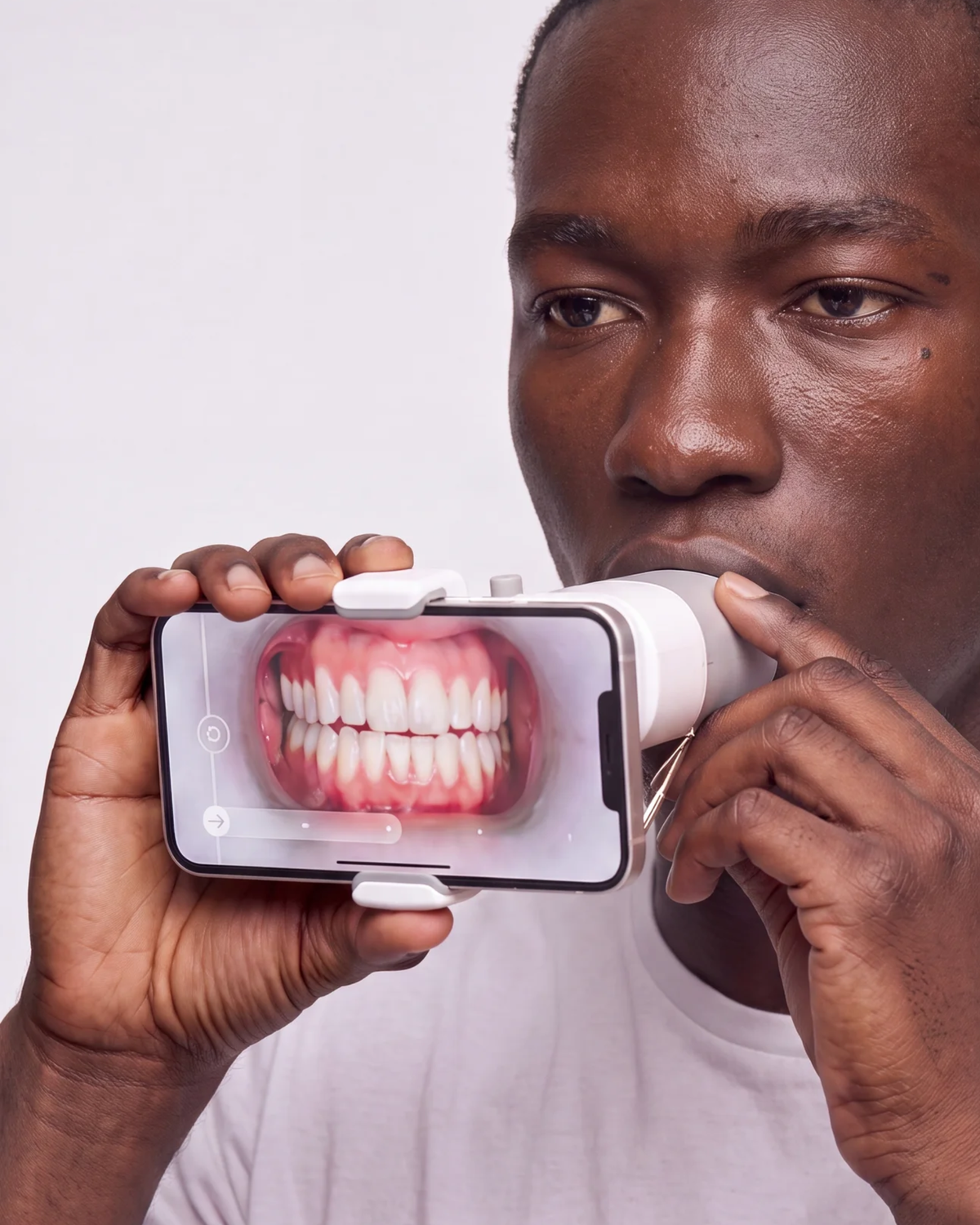
Your progress can then be monitored throughout treatment using Aalto's digital monitoring system, helping your clinical team keep track of your progress between appointments.
Straight Teeth and Easier Cleaning
One potential benefit of correcting significant crowding is that straighter teeth can be easier to access when brushing and flossing.
That doesn't replace good oral hygiene, but improving alignment may make it easier to maintain your teeth and gums over the long term.
It's important to remember that straight teeth aren't automatically healthy teeth. Good oral health still depends on daily brushing and flossing, regular dental visits and addressing problems when they arise.
Should You Straighten Crooked Teeth?
There's no single answer for everyone.
Some people choose orthodontic treatment because they're unhappy with the appearance of their smile. Others may be interested in improving their bite or making certain areas easier to clean.
The right decision depends on your teeth, oral health, treatment goals and the recommendations of your dental professional.
If you're considering straightening your teeth, an assessment is the best place to start.
Start Your Smile Journey With Aalto
Crooked teeth don't necessarily mean something is wrong with your oral health, but alignment can influence how easy it is to maintain a clean and healthy smile.
If you're considering clear aligners, Aalto can help you understand your treatment options.
Your journey starts with an in-office assessment at an Aalto partner clinic, where your teeth, bite and oral health can be evaluated before a personalised treatment plan is recommended.


Share:
Teeth Straightening in Your 30s
8 Reasons to Smile More