

Clear aligners have become a popular option for people looking to straighten their teeth without traditional metal braces. But with more people considering aligner treatment, there are also plenty of misconceptions about how clear aligners work, who they are suitable for and what treatment is actually like.
If you've been searching for clear aligners but aren't sure what to believe, here are seven common myths worth clearing up.
Myth 1: Clear Aligners Aren't as Effective as Braces
The reality: Clear aligners can be an effective orthodontic treatment for many patients, but they aren't suitable for every type of tooth movement or orthodontic problem.
Clear aligners use a series of custom-made trays to gradually move teeth according to an individual treatment plan. Depending on your teeth and bite, they may be used to address concerns such as crowding, spacing and certain bite issues.
Traditional braces remain an important treatment option and may be more appropriate for some complex cases.
The important question isn't whether aligners are universally "better" than braces. It's whether they're appropriate for your particular teeth and treatment goals.
That's why a proper dental assessment should come before choosing an aligner treatment.
Myth 2: Clear Aligners Are Only for Teenagers
The reality: Adults can have clear aligner treatment too.
There is no rule that says orthodontic treatment has to happen during your teenage years. Many adults choose to straighten their teeth later in life, whether they've never had orthodontic treatment before or their teeth have shifted since previous treatment.
Clear aligners can be particularly appealing to adults because they're discreet and removable, making them easier to incorporate into work, travel and social situations.
Your age alone doesn't determine whether you're suitable. Your dentist will consider your teeth, gums, bite and overall oral health.
Myth 3: Clear Aligners Are Just a Cosmetic Treatment
The reality: Improving the appearance of your smile is an important reason many people seek treatment, but orthodontic treatment isn't purely cosmetic.
The position of your teeth can affect how they come together, how easily you can clean certain areas and how your bite functions.
That said, straightening your teeth doesn't automatically guarantee better oral health. Good brushing, flossing, regular dental examinations and professional dental care remain important throughout and after treatment.
Clear aligners should be viewed as an orthodontic treatment, not a replacement for general dental care.
Myth 4: Clear Aligners Are Completely Pain-Free
The reality: Clear aligners are designed to apply controlled forces to your teeth, so some pressure or tenderness is normal.
You may notice tightness or mild discomfort when starting a new set of aligners, particularly during the first few days. This generally settles as you adjust to the new tray.
The experience varies between patients, and discomfort should not be ignored if it is severe or persistent.
If something doesn't feel right during treatment, speak with your treating dentist so they can assess what's happening.
Myth 5: Clear Aligners Are Always Cheaper Than Braces
The reality: There isn't one universal price for orthodontic treatment.
The cost of clear aligners depends on factors such as the complexity of your case, the treatment plan, the number of aligners required, clinical appointments, monitoring and whether additional procedures or refinements are needed.
Similarly, the cost of traditional braces varies depending on the treatment and provider.
When comparing treatment prices, it's worth looking beyond the headline number and understanding exactly what is included.
Ask about:
-
The initial assessment
-
Treatment planning
-
Your aligners or orthodontic appliances
-
Dental appointments
-
Remote monitoring
-
Refinements
-
Retainers
-
Any additional procedures
A lower starting price doesn't necessarily mean you're comparing like-for-like treatment.
Myth 6: Clear Aligners Always Take Less Time Than Braces
The reality: Treatment time depends on the individual case.
Some patients may complete clear aligner treatment relatively quickly, while others require considerably longer. The amount of movement required, the complexity of the case and how consistently the aligners are worn can all influence treatment time.
Your treatment plan should provide a personalised estimate rather than relying on a general timeframe.
It's also important to remember that moving teeth is a biological process. No reputable provider can guarantee that every patient will finish treatment within an identical timeframe.
Myth 7: Clear Aligners Will Give You a Permanent Lisp
The reality: Some people notice a temporary change in their speech when they first start wearing aligners.
Because the trays sit over your teeth, your tongue and mouth may need some time to adjust. You may notice a slight lisp or changes in certain sounds during the adjustment period.
For many people, this becomes less noticeable as they become accustomed to wearing their aligners.
Wearing your aligners consistently can help you adjust to them as part of your normal routine.
So, Are Clear Aligners Right for You?
The biggest misconception about clear aligners is that there's a simple answer for everyone.
Clear aligners can be an excellent option for many patients, but suitability depends on your individual teeth, bite and oral health.
A proper assessment can help determine:
-
Whether clear aligners are appropriate for your case
-
What movements are required
-
Whether attachments or IPR may be needed
-
How long treatment may take
-
What your treatment is expected to cost
-
What level of monitoring and clinical care you'll need
This is why choosing an aligner provider shouldn't just be about how clear the trays are or how low the advertised price looks.
Clear Aligners With Aalto
At Aalto, treatment starts with an in-clinic assessment with a treating dentist.
Your teeth, gums and bite are assessed, and digital scans are used to help develop your treatment plan. If clear aligners are clinically appropriate, your custom aligners are then manufactured according to that plan.
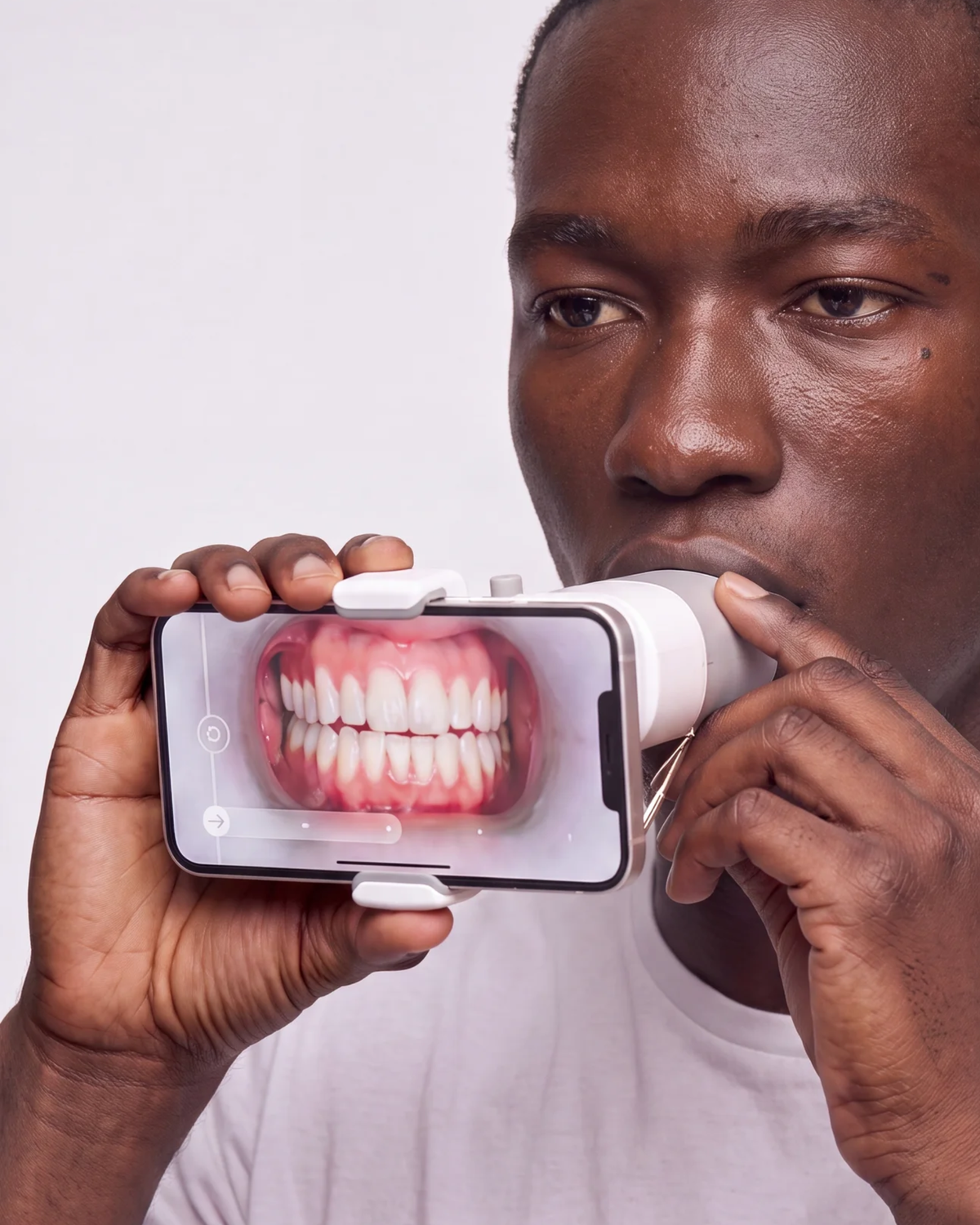
During treatment, digital monitoring can also be used to help your dental team track your progress between appointments.
Aalto combines in-person dental care with digital technology to make clear aligner treatment more convenient while keeping professional clinical oversight at the centre of the process.
The Bottom Line
Clear aligners aren't a magic solution, and they're not the right treatment for every patient. But many of the common concerns surrounding them are based on outdated information or overly broad claims.
The best way to find out whether clear aligners are suitable for you is to have your teeth and bite properly assessed by a dental professional.
If you're considering clear aligners, start with an assessment and get a clear understanding of what's possible for your smile.


Share:
How to Fix a Crossbite
Straighten Your Smile at Any Age