

Crossbite Treatment with Clear Aligners
A crossbite can affect more than the way your smile looks. Depending on the type and severity, it can influence your bite, chewing, tooth wear and overall oral health.
The good news is that crossbites can often be treated with orthodontic treatment, including clear aligners in suitable cases.
At Aalto, every treatment starts with an in-clinic assessment with a treating dentist to determine whether clear aligners are the right option for your teeth and bite.
What Is a Crossbite?
A crossbite occurs when one or more of your teeth sit in an incorrect position when you bite down.
Instead of the upper and lower teeth meeting in the expected relationship, some upper teeth may sit behind or inside the lower teeth.
Crossbites can affect the front teeth, back teeth, or both, and they can occur on one or both sides of the mouth.
While a crossbite isn't always painful, leaving certain bite problems untreated may contribute to issues such as:
-
Uneven tooth wear
-
Difficulty chewing
-
Gum irritation or recession
-
Jaw discomfort
-
Difficulty maintaining certain areas of your teeth
The right treatment depends on what is causing the crossbite and how complex it is.
Types of Crossbite
There are several types of crossbite, depending on which teeth are affected.
Anterior Crossbite
An anterior crossbite affects the front teeth. One or more of the lower front teeth may sit in front of the upper teeth when you bite.
Posterior Crossbite
A posterior crossbite affects the back teeth. The upper back teeth may sit inside the lower back teeth rather than outside them.
Unilateral and Bilateral Crossbites
A crossbite can occur on just one side of the mouth or on both sides.
The type of crossbite you have can help your dentist determine the most appropriate treatment approach.
What Causes a Crossbite?
Crossbites can develop for a number of reasons.
Genetics
The size and shape of your jaw and the way your teeth develop can be influenced by genetics. This can affect how your upper and lower teeth fit together.
Tooth Position
Sometimes, a crossbite is primarily related to the position of individual teeth rather than the underlying jaw structure.
Childhood Habits
Certain childhood habits, including prolonged thumb sucking or pacifier use, can influence the development of the teeth and jaws.
Jaw Development
In some cases, a crossbite may be related to differences in the growth or position of the upper and lower jaws. More complex jaw-related cases may require treatment beyond clear aligners.
Can Clear Aligners Fix a Crossbite?
In suitable cases, clear aligners can help correct a crossbite.
Clear aligners use a series of custom-made trays to apply controlled forces to the teeth, gradually guiding them towards their planned positions.
However, not every crossbite is the same. Whether clear aligners are suitable depends on factors including:
-
The type of crossbite
-
The severity of the misalignment
-
The position of your teeth
-
Your bite
-
Your overall oral health
-
Whether the issue is dental or related to jaw development
That's why an assessment with a treating dentist is an important first step.
How Aalto Treats Crossbites
Every Aalto treatment begins with an in-clinic assessment at an Aalto partner dental clinic.
Your treating dentist will assess your teeth, bite and overall oral health to determine whether clear aligners are an appropriate treatment option.
If you're suitable for treatment, your teeth can be digitally scanned to create a personalised treatment plan.
Your aligners are then designed to move your teeth gradually and according to your individual treatment plan.
Your Treatment Can Be Monitored Remotely
One of the advantages of Aalto treatment is the ability to combine in-clinic dental care with remote treatment monitoring.
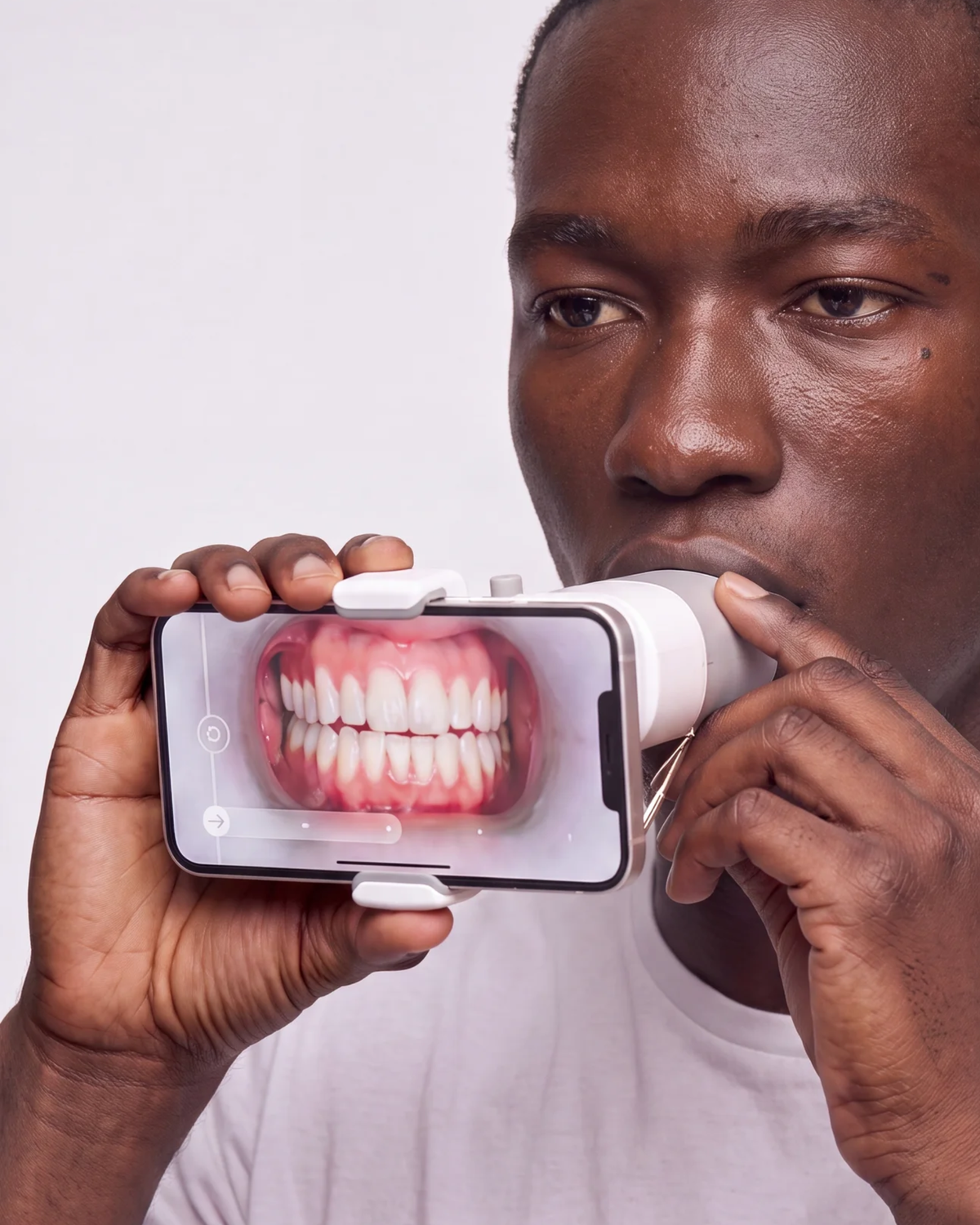
Using Aalto's digital monitoring system, you can complete regular scans from home using Scanbox. Your scans allow your dental team to monitor how your teeth are progressing between appointments.
This means you're not relying solely on occasional visits to check your progress.
Your treating dental professional can review your scans and monitor your treatment journey, while in-clinic appointments remain an important part of your care.
Whether you're at home, travelling or simply managing a busy schedule, remote monitoring can make staying on track with treatment much easier.
How Long Does Crossbite Treatment Take?
Treatment time varies from person to person.
The length of treatment depends on the complexity of your crossbite, how much your teeth need to move and how consistently you wear your aligners.
Your treating dentist will provide an estimated treatment timeline after assessing your individual smile and creating your treatment plan.
For the best results, it's important to wear your aligners for the recommended amount of time and follow your treatment plan closely.
What Happens After Crossbite Treatment?
Once your active aligner treatment is complete, retainers are an important part of maintaining your results.
Teeth can naturally move over time, so wearing your retainers as directed helps maintain the new position of your teeth and protect the results you've worked towards.
Your dental team will advise you on the appropriate retention plan for your smile.
Is Clear Aligner Treatment Right for Your Crossbite?
A crossbite doesn't necessarily mean you need traditional braces or complex orthodontic treatment.
For some patients, clear aligners can provide a discreet and convenient way to improve dental alignment and bite.
The first step is finding out whether they're suitable for your individual case.
At Aalto, your treatment begins with professional assessment and continues with a combination of personalised care, digital treatment planning and remote monitoring.
Start Your Crossbite Treatment Journey
If you're unhappy with your bite or have noticed that some of your teeth don't meet correctly, it's worth getting them assessed.
Book an in-clinic assessment with an Aalto partner dentist to find out whether clear aligners could be suitable for your crossbite.
Your smile is unique, and your treatment should be too.


Share:
Clear Aligner FAQs
7 Common Clear Aligner Myths, Debunked