

You've reached the end of your clear aligner treatment.
Your teeth have moved into their planned positions, your final aligners are finished and you're ready to enjoy your new smile.
But there's one part of treatment that shouldn't be overlooked:
Retention.
Clear aligners move your teeth.
Retainers help maintain the result.
Without consistent retention, your teeth can gradually move from the positions achieved during orthodontic treatment.
Why do teeth move after clear aligner treatment?
Teeth aren't permanently fixed in place.
They're surrounded by bone and supporting tissues, and they can naturally change position throughout life.
Immediately after orthodontic treatment, the tissues surrounding your teeth also need time to adapt to their new positions.
Over time, changes can occur due to natural ageing, normal biting forces, oral habits and other factors.
This is why completing your final aligner doesn't necessarily mean you're finished with orthodontic care.
Your treatment has moved from the active phase into the retention phase.
What is a retainer?
A retainer is a custom-made dental appliance designed to help maintain your teeth in their post-treatment positions.
This is different from an active aligner.
Your clear aligners were designed to progressively move your teeth through a series of stages.
Your retainer is designed primarily to hold the position you've achieved.
What types of retainers are available?
There are two common types of retainers: removable and fixed.
Clear removable retainers
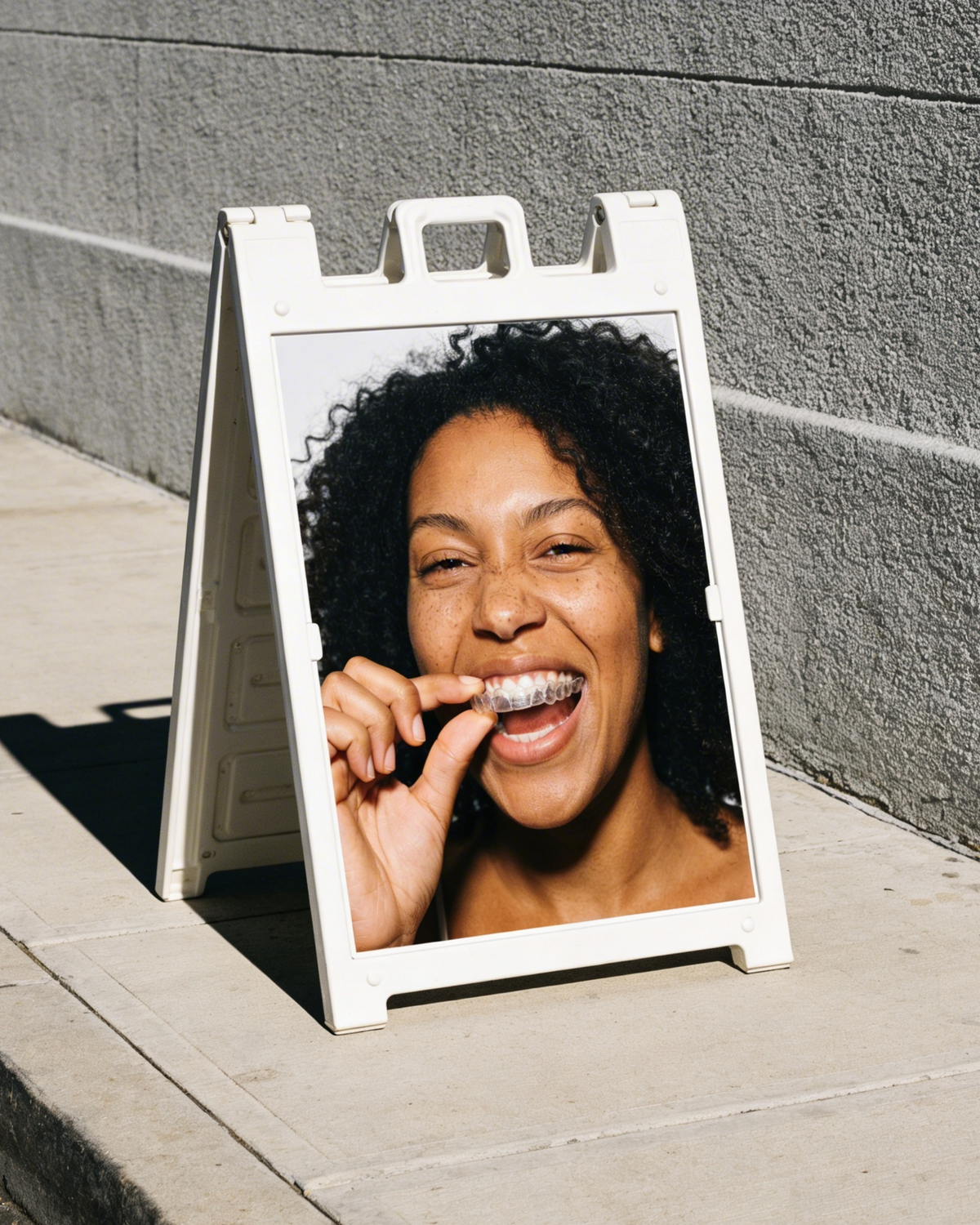
Clear retainers look similar to clear aligners.
They're custom-made to fit your teeth and can be removed for eating, brushing and cleaning.
One of their biggest advantages is that they're discreet.
The main disadvantage is also obvious: because they're removable, you need to remember to wear them.
Fixed retainers
A fixed retainer is a thin wire bonded to the back of selected teeth.
Because it is attached to your teeth, you don't need to remember to put it in.
However, fixed retainers require additional care when brushing and cleaning between your teeth.
Your dentist will determine whether a fixed retainer is appropriate for you.
Which type of retainer is best?
There isn't one option that is best for everyone.
Your dentist will consider your treatment, tooth positions, bite and retention requirements when recommending an approach.
Some patients may use removable retainers.
Others may have a fixed retainer.
Some may use a combination.
The important thing is that your retention plan is appropriate for your individual treatment.
How long do I need to wear my retainer?
There isn't one universal schedule that applies to every patient.
Your treating dentist or orthodontist will tell you how frequently you need to wear your retainer.
Many patients eventually wear removable retainers at night as part of their long-term retention routine.
The important thing to understand is that retention is generally long term.
If you stop wearing your retainer completely, your teeth may begin to move.
Do I need to wear my retainer forever?
Long-term retention is commonly recommended because teeth can continue to change position throughout life.
That doesn't necessarily mean wearing your retainer all day and every day forever.
For many patients, the long-term routine involves night-time wear according to their dentist's instructions.
Your individual schedule may be different.
What happens if I stop wearing my retainer?
Your teeth may gradually move away from their post-treatment positions.
You may notice:
-
Your retainer becoming tighter
-
Small spaces appearing
-
Crowding returning
-
Changes in the way your teeth meet
-
Your retainer becoming difficult to seat
The amount of movement varies between individuals.
If you've stopped wearing your retainer and notice that it no longer fits properly, contact your dental provider.
What if my retainer feels tight?
A retainer can feel snug if your teeth have moved slightly.
However, you shouldn't force a retainer into position if it doesn't fit correctly or causes significant pain.
Contact your dental professional for advice.
They can determine whether your teeth have moved and whether your retainer is still appropriate.
How often should I replace my retainer?
Retainers can wear out over time.
The lifespan depends on factors including the material, how often you wear it, how you clean it and how you store it.
Your dental provider can advise when it needs replacing.
You should also seek a replacement if your retainer becomes:
-
Cracked
-
Damaged
-
Distorted
-
Loose
-
Uncomfortable
-
No longer correctly fitting
How should I clean my retainer?
Follow the specific cleaning instructions provided by your dental team.
Generally, removable clear retainers should be cleaned regularly and stored in their protective case when not being worn.
Avoid hot or boiling water.
Heat can distort clear retainer material and affect its fit.
Don't use harsh cleaning products unless they have been specifically recommended for your appliance.
Can I eat while wearing my retainer?
Removable retainers should generally be removed before eating unless your dentist has told you otherwise.
Food can become trapped around the appliance and eating can damage or distort it.
Remove your retainer, store it safely, and clean your teeth before putting it back in.
Can I drink coffee with my retainer?
Water is generally the safest option while wearing a clear removable retainer.
Coffee, tea and other coloured drinks may stain clear appliances.
Sugary or acidic drinks can also expose your teeth to substances that may contribute to decay or enamel erosion.
If you're unsure, remove your retainer before drinking anything other than water.
What happens if I lose my retainer?
Contact your dental provider as soon as possible.
Don't simply go without it for an extended period.
Your teeth may begin to move, particularly if you've recently completed active orthodontic treatment.
Your dental team can advise whether you need a replacement and whether your teeth should be assessed.
What if my retainer breaks?
Don't continue wearing a retainer if it's sharp, cracked or causing irritation.
Contact your dental provider.
A damaged retainer may not hold your teeth correctly and could potentially irritate your gums or other tissues.
Are retainers included with clear aligner treatment?
This depends on the provider.
When comparing clear aligner treatment, it's worth asking whether retainers are included and what happens when you need replacements.
Ask:
-
Are retainers included?
-
How many are provided?
-
When will I receive them?
-
How often should I wear them?
-
What does a replacement cost?
-
What happens if I lose one?
These questions are important because retention is part of protecting your treatment result.
Why retention matters to Aalto
At Aalto, we don't consider your orthodontic journey complete simply because you've reached your final active aligner.
The next stage is protecting the result.
Your treating dental professional will provide instructions about your retention plan and explain how frequently your retainers should be worn.
Aalto retainers are custom-made to your treatment outcome and designed to provide a close fit.
Your responsibility is simple but important: wear them as instructed and look after them properly.
Frequently Asked Questions
Do I need a retainer after clear aligners?
Retainers are generally recommended after orthodontic treatment to help maintain the position of your teeth.
How long should I wear my retainer?
Your treating dentist or orthodontist will provide an individual schedule. Many patients eventually wear removable retainers at night as part of long-term retention.
Do I have to wear my retainer forever?
Long-term retention is commonly recommended because teeth can continue to move throughout life. Your dental provider will advise you on your appropriate schedule.
Can retainers straighten teeth?
Retainers are generally designed to maintain tooth position rather than actively straighten teeth. If significant movement has occurred, your dentist may need to assess whether further orthodontic treatment is appropriate.
What happens if I don't wear my retainer?
Your teeth may gradually shift from their post-treatment positions.
Can I sleep in my retainer?
Many removable retainers are designed to be worn overnight. Follow the instructions provided by your treating dental professional.
How often should I replace my retainer?
There is no universal replacement period. Your retainer should be replaced when it becomes worn, damaged, distorted or no longer fits correctly, based on your dental provider's advice.
What should I do if my retainer no longer fits?
Don't force it. Contact your treating dental professional so they can assess the situation and advise you on the next step.
The bottom line
Finishing your final clear aligner is a major milestone.
But your teeth can continue to move after treatment, which is why retention is such an important part of maintaining your result.
Wear your retainer as instructed, keep it clean, replace it when necessary and contact your dental team if it stops fitting properly.
Clear aligners move your teeth. Retainers help keep your smile where you want it.

Share:
Clear Aligners vs Braces
A Fast, Comfortable and Discreet Way to Straighten Your Teeth