

Which Is Right for You?
If you’re thinking about straightening your teeth, two of the most common treatment options you’ll come across are traditional braces and clear aligners.
Both can be effective orthodontic treatments, but they work differently and suit different people, lifestyles and clinical needs.
So, which is better: clear aligners or braces?
The answer depends on your teeth, your bite, your treatment goals and how you feel about the day-to-day experience of orthodontic treatment.
Clear Aligners vs Braces: At a Glance
| Clear Aligners | Braces | |
|---|---|---|
| Appearance | Clear and discreet | More visible |
| Removable | Yes | No |
| Eating | Remove for meals | Food restrictions may apply |
| Oral hygiene | Brush and floss normally | Requires extra care around brackets and wires |
| Appointments | May require fewer in-person visits depending on treatment | Regular adjustment appointments |
| Compliance | Must be worn as instructed | Fixed to the teeth |
| Suitable for | Many mild to complex cases | A broad range of orthodontic cases |
Your dentist or orthodontist can determine which option is appropriate for your individual needs.
What Are Traditional Braces?
Traditional braces use brackets and wires attached to the teeth to apply controlled forces and gradually move teeth into better positions.
Braces have been used in orthodontics for decades and can be an effective option for a wide range of alignment and bite concerns.
Because braces are fixed to your teeth, they are working continuously throughout treatment. However, they require regular appointments so your dental professional can make adjustments and monitor your progress.
What Are Clear Aligners?
Clear aligners are a series of custom-made, removable trays designed to gradually move your teeth.
Each aligner is worn for the period recommended by your treating dental professional before progressing to the next stage of your treatment.
At Aalto, treatment begins with an in-clinic assessment and digital scans. Your treatment plan is then developed with professional clinical oversight before your aligners are manufactured.
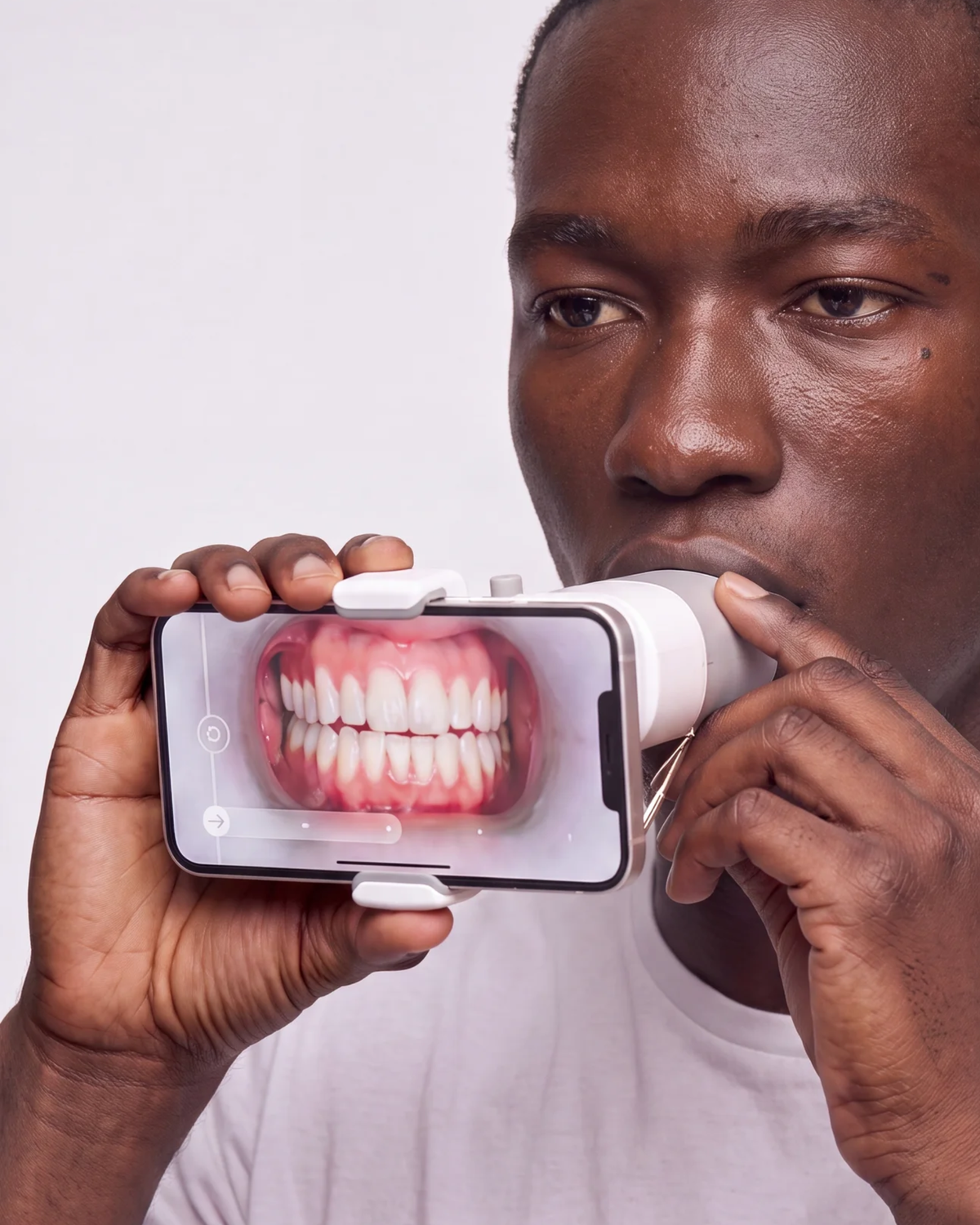
Your progress can also be monitored remotely using Aalto's digital monitoring technology, helping your clinical team keep track of your treatment between appointments.
Treatment Time: Aligners vs Braces
There isn't one treatment time that applies to everyone.
The length of orthodontic treatment depends on factors such as:
-
The amount of tooth movement required
-
Your bite and overall alignment
-
The complexity of your case
-
How consistently you follow your treatment instructions
-
Your individual biological response to treatment
Some clear aligner cases can be completed relatively quickly, while more complex cases can take considerably longer.
Braces can also vary significantly in treatment time.
Rather than choosing a treatment based purely on an advertised number of months, it's more useful to understand what your individual treatment plan requires.
Which Is More Comfortable?
Both braces and clear aligners can cause some temporary discomfort as your teeth move.
With clear aligners, you may notice pressure or tightness when starting a new aligner. This is generally temporary as your teeth adjust.
Braces can also cause pressure as teeth move, while brackets and wires may sometimes irritate the cheeks, lips or gums.
Everyone experiences orthodontic treatment differently, so comfort shouldn't be the only factor when deciding between the two.
Eating and Drinking
One of the biggest lifestyle differences between braces and clear aligners is eating.
With braces
Because braces are attached to your teeth, certain hard, sticky or chewy foods may need to be avoided or modified to reduce the risk of damaging brackets or wires.
You'll also need to take extra care when cleaning around the appliances.
With clear aligners
Clear aligners are removable, so you can take them out when eating and enjoy your normal diet.
However, aligners should generally be removed for anything other than water. After eating, it's important to maintain good oral hygiene before putting your aligners back in.
Keeping Your Teeth Clean
Both treatments require good oral hygiene, but the process is different.
With braces, food and plaque can collect around brackets and wires, making brushing and flossing more challenging.
Clear aligners can be removed for brushing and flossing, which makes maintaining your usual oral hygiene routine easier.
However, removable aligners also require responsibility. You'll need to wear them consistently, clean them appropriately and look after them throughout treatment.
Appearance: Which Is More Discreet?
This is one area where clear aligners have an obvious advantage.
Traditional braces are visible because they use brackets and wires attached to the teeth.
Clear aligners are made from transparent material and are designed to be much less noticeable when worn.
For adults and anyone who wants their orthodontic treatment to be more discreet, this can be an important consideration.
How Much Do Braces and Clear Aligners Cost?
The cost of orthodontic treatment varies significantly depending on your location, provider, treatment complexity and the length of your treatment.
It's therefore difficult to make a meaningful comparison based on price alone.
When comparing treatment options, look at what is included in the total cost.
Consider whether your treatment includes:
-
Your initial assessment
-
Digital scans and treatment planning
-
All aligners or orthodontic appliances required
-
Clinical appointments
-
Remote monitoring
-
Refinements where applicable
-
Retainers following treatment
-
Ongoing clinical support
A lower initial price doesn't necessarily mean you're comparing like-for-like treatment.
Do Clear Aligners Work as Well as Braces?
Clear aligners can effectively treat many common orthodontic concerns, including certain cases involving:
-
Crowding
-
Spacing
-
Rotated teeth
-
Overbite
-
Underbite
-
Crossbite
-
Alignment and bite issues
However, not every case is suitable for clear aligners.
Some complex orthodontic movements may be better managed with braces or another treatment approach.
This is why a proper clinical assessment is important. Your treatment should be based on what is appropriate for your teeth and bite—not simply which treatment looks better or costs less.
Compliance: A Major Difference
One of the biggest differences between braces and clear aligners is responsibility.
Braces are fixed to your teeth, so you don't have to remember to put them in.
Clear aligners are removable, which gives you greater flexibility—but you need to wear them for the amount of time recommended by your treating dental professional.
If aligners aren't worn consistently, your teeth may not move according to the planned treatment, potentially affecting your progress and treatment time.
For people who are comfortable following a routine, removable aligners can be an excellent option.
Which Option Is Right for You?
There isn't a universal winner when it comes to clear aligners vs braces.
Clear aligners may be particularly appealing if you value:
-
A discreet appearance
-
Removable treatment
-
Easier eating
-
Easier access for brushing and flossing
-
Fewer routine in-person appointments where clinically appropriate
-
Digital treatment monitoring
Braces may be more appropriate if your case requires particular types of tooth movement or a treatment approach that is better suited to fixed appliances.
Ultimately, the right choice should be based on your individual clinical needs.
Clear Aligners with Aalto
Aalto combines in-clinic dental care with digital treatment monitoring to make clear aligner treatment more convenient while maintaining professional oversight.
Your treatment begins with an assessment by a treating dentist, including digital scans and any other diagnostic information required.
Your treatment plan is then developed with appropriate clinical oversight, and your progress can be monitored throughout treatment using Aalto's digital monitoring technology.
This means you can benefit from the convenience of clear aligners without treating orthodontic care as a purely at-home process.
The Bottom Line
Both braces and clear aligners can be effective ways to straighten teeth.
The best option depends on your individual teeth, bite, treatment goals, lifestyle and clinical requirements.
If you're considering clear aligners, the best place to start isn't by comparing brands or looking at price alone. It's by finding out whether clear aligners are appropriate for your smile and what your treatment would actually involve.
A proper assessment can give you a clearer understanding of your options, expected treatment and the most appropriate path forward.


Share:
How to Fix an Overbite
How to Keep Your Smile Straight After Clear Aligners