

Signs of Gum Disease and Prevention
Healthy gums are an important part of a healthy smile, but gum problems can develop gradually and may not always be obvious at first.
Bleeding when brushing, swollen gums or persistent bad breath can all be signs that something isn't quite right. The good news is that many gum problems can be prevented or managed with good oral hygiene and regular dental care.
Here's what healthy gums should look like, the signs to watch for and what you can do to improve your gum health.
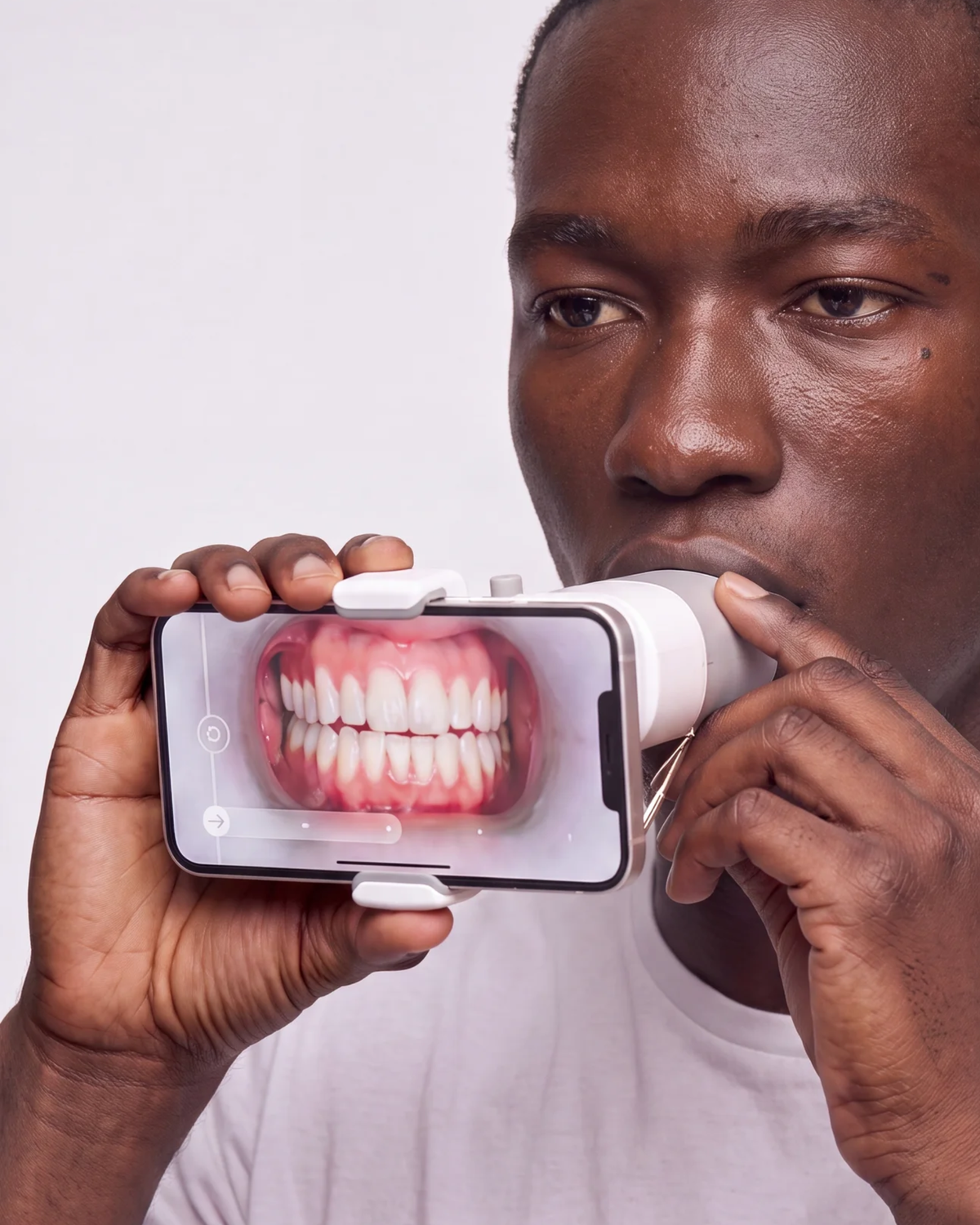
What Do Healthy Gums Look Like?
Healthy gums generally feel firm and sit snugly around your teeth.
Their natural colour can vary between people depending on skin pigmentation and other individual factors, so healthy gums aren't necessarily the same shade of pink for everyone.
Healthy gums are generally:
-
Firm rather than swollen
-
Comfortable and not tender
-
Free from persistent bleeding
-
Closely fitted around the teeth
-
Not noticeably receding
Changes in your gums are worth paying attention to, particularly if they persist.
Signs of Gum Disease
Gum disease can range from early inflammation to more advanced disease affecting the tissues and bone that support your teeth.
Common signs can include:
-
Bleeding when brushing or flossing
-
Red, swollen or tender gums
-
Persistent bad breath
-
Gum recession
-
Increased tooth sensitivity
-
Changes in the way your teeth fit together
-
Loose teeth in more advanced cases
It's important not to ignore regular bleeding or swelling. While occasional bleeding can have different causes, persistent symptoms should be assessed by a dental professional.
What Causes Gum Problems?
The most common cause of gum inflammation is plaque — a sticky film of bacteria that continually forms on your teeth.
When plaque isn't removed effectively, it can irritate the gums and cause inflammation.
Over time, plaque can harden into tartar, which cannot be removed effectively with normal brushing and flossing. This is one reason professional dental cleans and regular check-ups are important.
Other factors can also affect gum health, including:
-
Smoking or tobacco use
-
Certain medications
-
Hormonal changes
-
Diabetes and some other health conditions
-
Genetics
-
Poor oral hygiene
-
Crowded or difficult-to-clean areas of the mouth
How to Improve Your Gum Health
There isn't a single product or quick fix that guarantees healthy gums. The most effective approach is consistent daily care combined with regular professional dental care.
1. Brush Twice a Day
Brush your teeth twice a day using a fluoride toothpaste and a soft-bristled toothbrush.
Spend around two minutes brushing and pay particular attention to the gum line, where plaque can accumulate.
An electric toothbrush can be useful for some people because built-in timers and pressure sensors can help improve brushing technique.
2. Clean Between Your Teeth
A toothbrush can't effectively clean every surface between your teeth.
Clean between your teeth once a day using floss, interdental brushes or another method recommended by your dental professional.
This helps remove plaque and food debris from areas that brushing alone can miss.
3. Don't Ignore Bleeding Gums
If your gums bleed regularly when brushing or cleaning between your teeth, don't simply stop cleaning the area.
Bleeding can be a sign of inflammation caused by plaque buildup.
If bleeding continues despite improving your oral hygiene, speak with your dentist so they can identify the cause.
4. Clean Your Tongue
Your tongue can collect bacteria and debris that contribute to bad breath.
Gently cleaning your tongue as part of your daily oral hygiene routine can help keep your mouth feeling fresh.
5. Drink Plenty of Water
Water helps keep your mouth hydrated and can help wash away food particles after eating and drinking.
It is particularly useful as an everyday alternative to sugary drinks.
6. Limit Sugar
Frequent consumption of sugary foods and drinks increases the risk of tooth decay.
Rather than constantly snacking or sipping sugary drinks throughout the day, keeping sugary foods and drinks to mealtimes can help reduce repeated acid attacks on your teeth.
7. Avoid Smoking
Smoking is a significant risk factor for gum disease and can also affect how the gums heal.
If you smoke, speak with your healthcare professional about support to quit.
8. Visit Your Dentist Regularly
Regular dental examinations allow your dentist to check your teeth and gums and identify problems early.
Professional cleans can also remove hardened deposits that can't be removed effectively through brushing and flossing alone.
Your dentist can recommend how frequently you should have check-ups based on your individual oral health.
Can Crooked Teeth Affect Gum Health?
Sometimes.
Crowded or overlapping teeth can create areas that are more difficult to brush and clean between effectively. This can make plaque control more challenging.
Straightening teeth doesn't replace good oral hygiene, but for some patients, improved alignment may make certain areas of the mouth easier to keep clean.
If you're considering clear aligner treatment, your teeth and gums should be assessed first to determine whether treatment is appropriate.
Can Clear Aligners Be Used If You Have Gum Disease?
Active gum disease generally needs to be addressed before orthodontic treatment begins.
Orthodontic tooth movement places additional demands on the tissues supporting your teeth, so maintaining healthy gums is an important part of safe treatment.
Your treating dentist can assess your gums and discuss whether any dental treatment is required before starting clear aligners.
When Should You See a Dentist?
You should arrange a dental appointment if you experience persistent:
-
Bleeding or swollen gums
-
Gum recession
-
Bad breath
-
Tooth sensitivity
-
Pain when chewing
-
Loose or changing teeth
If you have severe swelling, significant pain, facial swelling or other urgent symptoms, seek prompt dental care.
Healthy Gums Start With Consistent Care
Good gum health isn't about having a complicated routine.
The basics make the biggest difference:
Brush twice a day. Clean between your teeth daily. Limit sugar. Avoid smoking. Drink water. And see your dentist regularly.
Most importantly, don't ignore changes in your gums. Getting problems assessed early can make them easier to manage and helps protect your teeth for the long term.
If you're considering clear aligners, Aalto treatment begins with an in-clinic assessment with a treating dentist, including an evaluation of your teeth and oral health.
A healthy foundation is the first step towards a healthier smile.


Share:
Remote Dental Monitoring
How to Fix a Snaggletooth