

Is There a More Discreet Way to Straighten Your Teeth?
If you've been thinking about straightening your teeth but aren't sure you want traditional braces, you're not alone.
For decades, fixed braces have been one of the most recognised options for orthodontic treatment. Today, clear aligners provide another approach for many patients, using a series of removable, custom-made trays to gradually move the teeth.
So what's the difference between clear aligners and braces, and could clear aligners be right for you?
Clear Aligners vs Braces: What's the Difference?
Both braces and clear aligners work by applying controlled forces to gradually move teeth.
The biggest difference is how that force is delivered.
Traditional braces use brackets bonded to the teeth and wires that are adjusted throughout treatment. Clear aligners use a series of removable trays that are individually designed to move your teeth according to a personalised treatment plan.
Neither option is automatically better for every patient. The right treatment depends on your teeth, bite, oral health and the movements required.
Why Do Adults Choose Clear Aligners?
For many adults, discretion is one of the biggest reasons they consider clear aligners.
The trays are designed to be transparent and sit closely over your teeth, making them considerably less noticeable than traditional metal braces.
They're also removable, which means you can take them out for meals and your usual oral hygiene routine.
This can make clear aligners an appealing option for people who want to straighten their teeth while continuing with work, social events, travel and everyday life with minimal disruption.
Are Clear Aligners More Comfortable Than Braces?
Clear aligners don't mean you won't experience any discomfort.
Moving teeth involves applying orthodontic forces, so it's normal to experience some pressure or tenderness, particularly when changing to a new aligner.
One difference is that clear aligners don't use brackets and wires, which can sometimes cause irritation to the cheeks and lips.
Every patient's experience is different, and your treating dentist can advise you on what to expect during your individual treatment.
What Can Clear Aligners Treat?
Clear aligners can be used to address a range of orthodontic concerns, including certain cases of:
-
Crowding
-
Spacing between teeth
-
Rotated teeth
-
Certain bite problems
-
Relapse following previous orthodontic treatment
However, clear aligners aren't suitable for every orthodontic case.
The complexity of your tooth movements, your bite and your overall oral health all need to be considered before treatment begins.
That's why an in-person assessment is an important first step.
How Does Aalto Clear Aligner Treatment Work?
Aalto treatment begins with an assessment by a treating dentist.
Your dentist will assess your teeth, gums and bite and take digital records such as 3D scans where appropriate.
If clear aligners are suitable for your case, your records are used to develop a personalised treatment plan.
Your Custom Aligners
Once your treatment plan has been approved, your aligners are manufactured specifically for your teeth.
Each tray represents a different stage of your treatment. As you progress through the series, the aligners gradually guide your teeth towards their planned positions.
Digital Monitoring
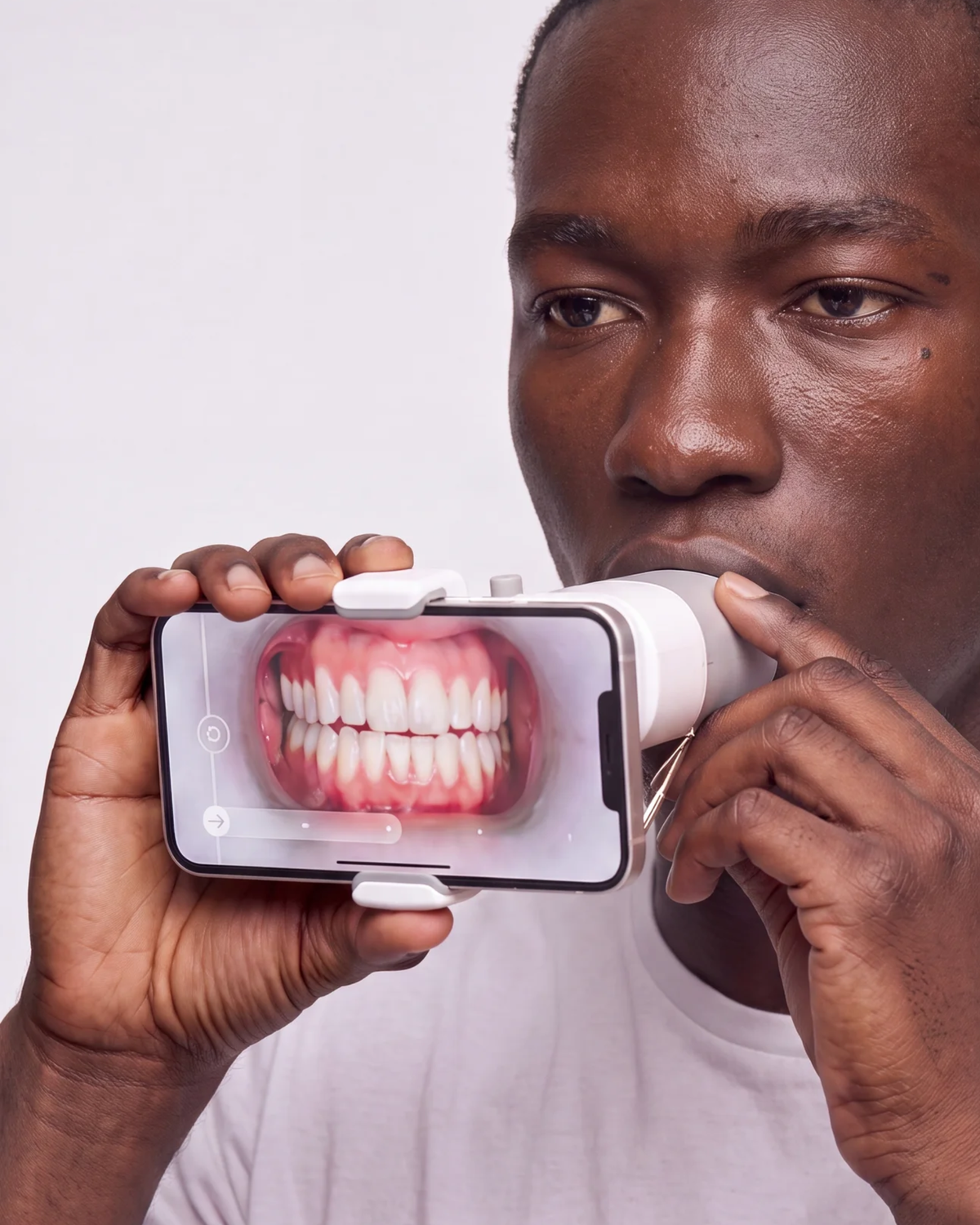
Aalto also uses digital monitoring technology to help your dental team follow your progress between appointments.
Depending on your treatment, you may use the Aalto ScanBox and Dental Monitoring technology to complete regular scans.
These scans allow your clinical team to review your progress remotely and identify when an in-person appointment or further assessment may be required.
Remote monitoring is designed to support your treatment, not replace necessary clinical care.
What About Eating and Drinking?
One of the practical advantages of removable aligners is that you don't have the same food restrictions associated with fixed braces.
You remove your aligners when eating and drinking anything other than water, then clean your teeth before putting them back in.
This means you can continue to enjoy your usual foods while maintaining your normal oral hygiene routine.
Your aligners should be worn according to the instructions provided by your treating dentist to keep your treatment progressing as planned.
How Long Does Clear Aligner Treatment Take?
There isn't one treatment timeframe that applies to everyone.
Treatment length depends on the complexity of your case, the amount of movement required and how consistently you follow your treatment instructions.
Some straightforward cases may be completed within several months, while more complex treatment can take longer.
Your personalised treatment plan should provide a more meaningful estimate than a general timeframe advertised online.
Do Clear Aligners Require Fewer Dental Appointments?
Digital monitoring can make some aspects of treatment more convenient by allowing your dental team to review your progress between appointments.
However, clear aligner treatment still requires professional clinical oversight.
Your appointments may include your initial assessment, treatment reviews and any procedures required as part of your treatment, such as attachments or interproximal reduction (IPR).
The number of appointments you need will depend on your individual treatment.
What Is Aalto's Approach?
Aalto combines clear aligner technology with in-clinic dental care and digital treatment monitoring.
Your treating dentist remains responsible for your clinical care, including assessing your suitability for treatment and making clinical decisions throughout your journey.
Aalto provides the technology, aligners and orthodontic support that form part of the treatment process.
This means your treatment isn't simply about receiving a box of aligners. It starts with understanding your teeth and developing a plan around your individual needs.
Clear Aligners or Braces: Which Is Right for You?
There isn't a single answer.
Clear aligners may be a good option if you value a discreet, removable approach to orthodontic treatment and your case is clinically suitable.
Traditional braces may be more appropriate for certain types of tooth movement or more complex orthodontic cases.
The best option is the one that can safely and effectively address your individual clinical needs.
The Bottom Line
You don't have to choose between straightening your teeth and getting on with your life.
For many suitable patients, clear aligners offer a discreet and removable alternative to traditional braces, supported by personalised treatment planning and professional dental care.
At Aalto, the first step is finding out whether clear aligners are actually right for you.
If you're considering teeth straightening, start with an in-clinic assessment and find out what treatment options are available for your smile.


Share:
How to Use an Electric Toothbrush Properly
Why Choose Aalto for Clear Aligners?