

One of the first questions people ask when considering clear aligner treatment is:
“How long will it take to straighten my teeth?”
The answer depends on your individual smile.
Clear aligner treatment times vary based on the amount and type of tooth movement required, your bite, your oral health, your treatment plan and how consistently you wear your aligners.
While an exact timeline can only be determined after your teeth have been assessed, understanding the factors involved can give you a better idea of what to expect.
What Determines How Long Clear Aligner Treatment Takes?
The Complexity of Your Case
The biggest factor affecting treatment time is how much tooth movement is required.
A small correction involving a few slightly crooked teeth may take considerably less time than treatment involving significant crowding, spacing or bite correction.
Your treatment plan is designed around the movements required to achieve your intended result, so there isn't one standard treatment time that applies to everyone.
Crowded or Overlapping Teeth
Crowding occurs when there isn't enough space for teeth to sit in their intended positions.
Depending on the amount of crowding, your treatment plan may involve creating space through techniques such as expansion, tooth movement or interproximal reduction (IPR), where clinically appropriate.
More significant crowding can require additional treatment stages and therefore a longer overall timeline.
Gaps Between Teeth
Clear aligners can be used to close many types of spaces between teeth.
However, closing gaps isn't simply a matter of moving teeth towards each other. Your dentist and orthodontic team need to consider the position of the teeth, your bite and the stability of the final result.
The size and number of spaces can therefore influence how many aligners you need.
Your Bite
Your treatment time isn't determined by how crooked your front teeth look alone.
Your dentist will also assess how your upper and lower teeth come together.
Certain bite concerns can require additional movements and a more comprehensive treatment plan. This is one reason why an in-clinic assessment is important before a treatment timeline can be confirmed.
Your Previous Orthodontic Treatment
If you've previously had braces or clear aligners, your teeth may have moved since your original treatment.
A new treatment plan will take your current tooth positions, previous orthodontic history and overall dental health into account.
If you have missing teeth, previous extractions, restorations or other dental considerations, these may also influence your treatment plan.
Your Oral Health
Healthy teeth and gums are an important foundation for orthodontic treatment.
If you have untreated tooth decay, active gum disease or other dental concerns, these may need to be addressed before or during your aligner treatment.
Maintaining good oral hygiene throughout treatment is also essential for protecting your teeth and gums.
How Much Does Wearing Your Aligners Matter?
A lot.
Clear aligners are removable, which means successful treatment depends partly on wearing them as instructed by your treating dental professional.
Aalto generally recommends wearing aligners for 20–22 hours per day, unless your treating dentist provides different instructions.
Removing your aligners frequently or wearing them for significantly less time than recommended can affect how your teeth respond and may extend your treatment.
Consistency is one of the simplest things you can control during your treatment.
How Often Do You Change Clear Aligners?
Your treating dental professional will tell you when to move from one aligner to the next.
The timing can vary depending on your treatment plan and how your teeth are responding.
Rather than changing aligners according to a generic schedule, it's important to follow the instructions provided for your individual treatment.
Aalto's digital monitoring system can also help your clinical team assess your progress between appointments.
How Long Does Aalto Clear Aligner Treatment Take?
There isn't one treatment time for every Aalto patient.
Many adult clear aligner cases can be completed within several months to around 18 months, but the timeline depends on the complexity of the individual case.
Some minor alignment corrections may take less time, while more involved cases may require longer treatment or additional refinement stages.
Your estimated treatment duration will be provided once your teeth have been assessed and your personalised treatment plan has been developed.
What Happens If My Teeth Aren't Tracking as Planned?
Sometimes teeth don't move exactly as predicted.
This can happen for a number of reasons, including inconsistent aligner wear, differences in individual biological response or the way a particular tooth responds to movement.
That's why monitoring matters.
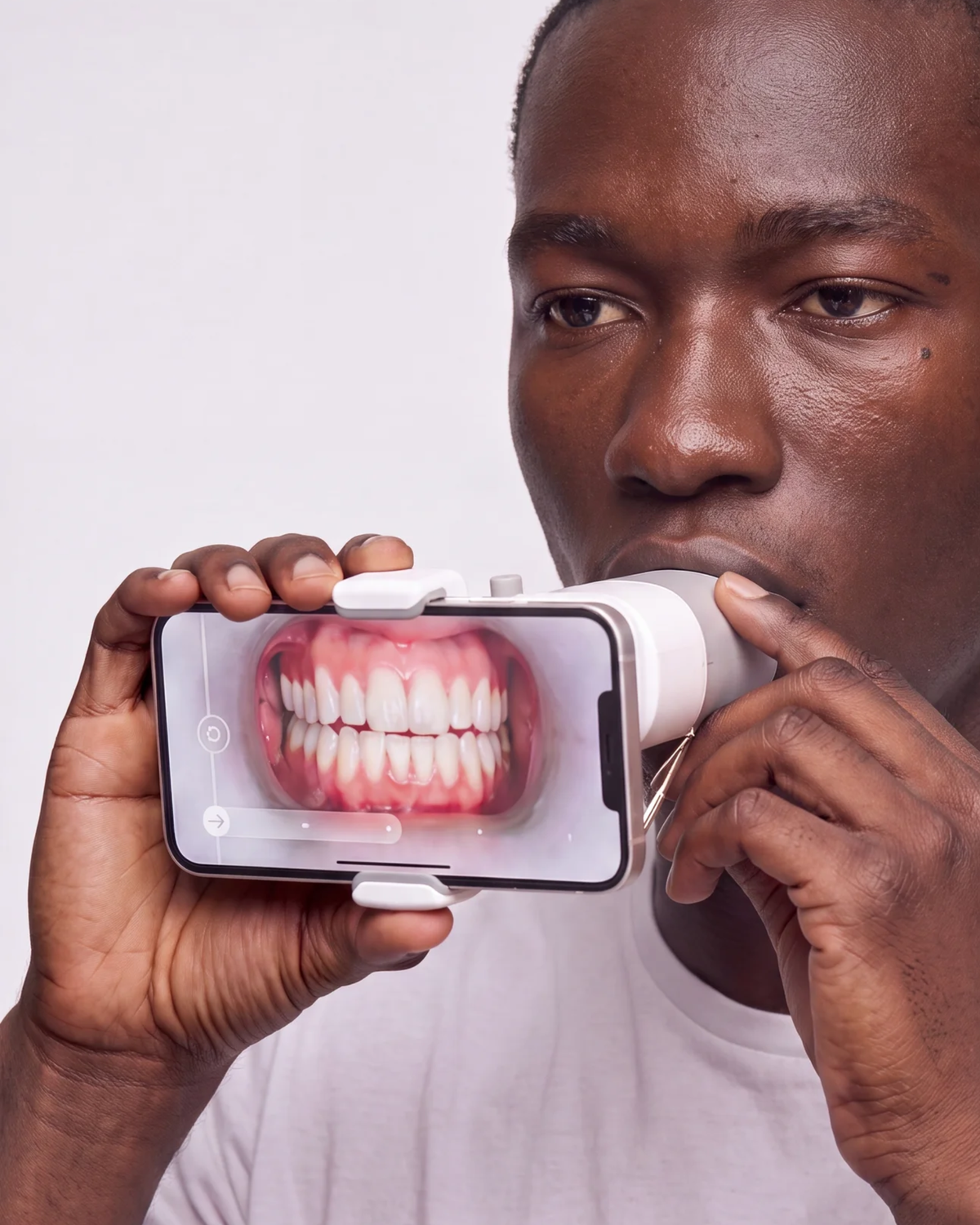
With Aalto, patients can use Scanbox and digital dental monitoring to submit regular scans. These allow the clinical team to assess how treatment is progressing and identify situations where additional attention may be required.
If refinements are clinically appropriate, your treating dental professional can discuss the next steps with you.
Can Clear Aligner Treatment Be Faster?
It's tempting to look for ways to speed up orthodontic treatment, but faster isn't necessarily better.
Teeth need time to respond to controlled orthodontic forces and for the surrounding tissues and bone to adapt.
The goal should be appropriate and predictable tooth movement, rather than simply completing treatment as quickly as possible.
Your treating dentist and orthodontic team can determine the appropriate pace for your individual treatment.
What Happens After Your Last Aligner?
Finishing your final active aligner doesn't mean your orthodontic journey is completely over.
Your teeth can naturally move after treatment, which is why retention is an important part of maintaining your result.
Your treating dental professional will provide instructions for your retainers and how they should be worn.
Long-term retainer wear helps maintain the position of your teeth after active treatment has finished.
So, How Long Will My Treatment Take?
The only way to know your likely treatment time is to have your teeth properly assessed.
At Aalto, treatment begins with an in-clinic assessment with a treating dentist, where your teeth, bite and oral health can be evaluated and digital records collected.
From there, a personalised treatment plan can be developed based on your individual needs.
Start With an Assessment
If you're considering clear aligners, don't let uncertainty about treatment time hold you back.
An assessment can give you a much clearer understanding of:
-
Whether clear aligners are suitable for you
-
What movements are required
-
Your estimated treatment timeline
-
How your treatment will be monitored
-
What you can expect throughout your smile journey
Your treatment timeline should be based on your teeth — not a generic number.
Find out what's possible with Aalto clear aligners by starting with an in-clinic assessment.


Share:
Why Do Teeth Become Crooked?
Teeth Straightening in Your 30s