

A Guide to Adult Clear Aligners
Thinking about straightening your teeth in your 30s? You’re certainly not alone. More adults are choosing orthodontic treatment later in life, whether they want to improve crowding, close gaps, correct their bite, or simply feel more confident about their smile.
Being in your 30s doesn’t automatically make you unsuitable for orthodontic treatment. In fact, clear aligners can be a convenient and discreet option for many adults.
The important thing is understanding what treatment involves, whether you’re clinically suitable, and what you can realistically expect from the process.
Can You Straighten Your Teeth in Your 30s?
Yes. Adults can have orthodontic treatment provided their teeth and gums are healthy enough to support tooth movement. Unlike children and teenagers, adults have finished growing, but teeth can still be moved gradually through controlled orthodontic forces. Clear aligners use a series of custom-made trays to apply gentle, planned pressure to your teeth, gradually moving them towards their intended positions. Your age is therefore only one part of the picture. Before treatment begins, your dentist will assess your teeth, gums, bite and overall oral health to determine whether clear aligners are appropriate for you.
Why More Adults Are Choosing Clear Aligners
For many people in their 30s, the idea of traditional braces can feel less appealing because of work, social commitments or simply wanting a more discreet option. Clear aligners are designed to fit over your teeth and are much less noticeable than traditional metal braces. They can also be removed when eating, drinking and brushing your teeth, making them easier to incorporate into an adult lifestyle. For people who spend a lot of time in meetings, travel regularly or simply don't want orthodontic treatment to be obvious, this can be a significant advantage.
How Long Does Teeth Straightening Take?
There isn't one treatment time that applies to every adult. The length of treatment depends on factors such as the amount of tooth movement required, your bite, the complexity of your case and how consistently you wear your aligners. Some straightforward cases may take only several months, while more complex cases can take considerably longer. Your dentist should be able to give you a more personalised estimate after assessing your teeth and developing your treatment plan.
Is Teeth Straightening Painful?
Clear aligners aren't usually described as painful, but you may experience some pressure, tightness or tenderness when you start wearing a new set. This is generally a sign that the aligners are applying the forces required to move your teeth. Most people find that any initial discomfort settles as they adjust to each new aligner. If you experience significant or persistent pain, it's important to speak with your treating dentist rather than simply continuing with treatment.
Will Clear Aligners Affect Your Speech?
You may notice a slight change in your speech when you first start wearing clear aligners. Because the trays sit over your teeth, tongue and mouth need a little time to adjust. For most people, this improves as they become accustomed to wearing their aligners. The best way to minimise any disruption is to follow your dentist's instructions and wear your aligners consistently, rather than taking them out frequently while you're still adjusting.
Can You Still Drink Coffee and Wine?
Yes, but you'll need to be sensible about what you consume while wearing your aligners. Clear aligners should generally be removed when eating and when drinking anything other than water. Coffee, tea, red wine and other strongly coloured drinks can stain the aligners and may contribute to staining if consumed while they're being worn. After eating or drinking, clean your teeth where possible before putting your aligners back in. This makes clear aligner treatment relatively easy to fit around your normal routine without having to completely give up the things you enjoy.
Is Teeth Straightening Only About Having a Better Smile?
For many adults, improving the appearance of their smile is the main reason they seek treatment. But orthodontic treatment can involve more than aesthetics. Crowded or overlapping teeth can be harder to clean effectively, while certain bite problems can affect how your teeth come together and function. That doesn't mean straightening your teeth will automatically prevent dental problems or improve every aspect of your oral health. Your dentist will consider your individual circumstances when deciding whether treatment is appropriate.
What Happens Before You Start Treatment?
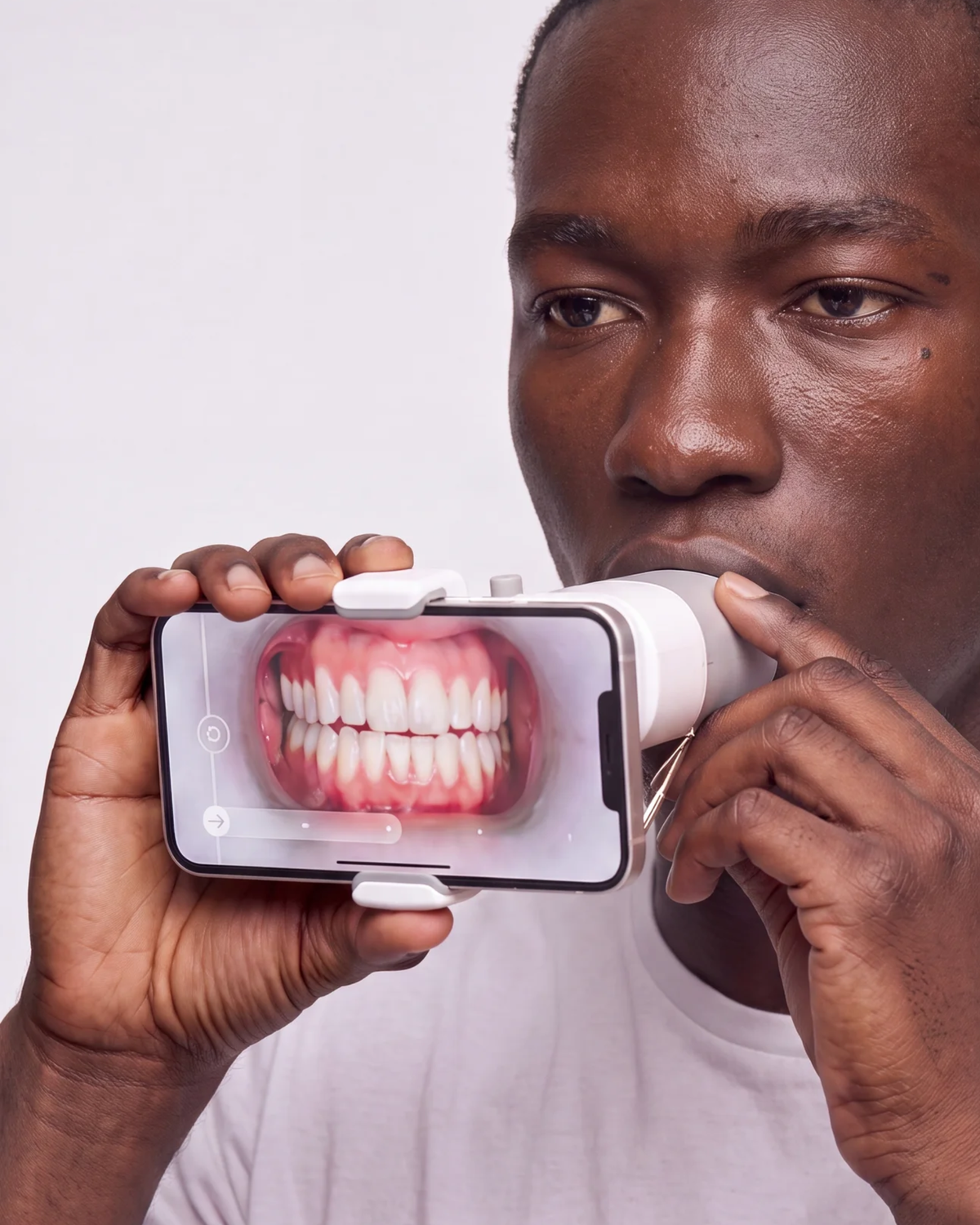
One of the most important parts of adult orthodontic treatment happens before you receive your first aligner. At Aalto, treatment begins with an in-clinic assessment and digital scan. Your dentist can assess your teeth, gums and bite and determine whether clear aligners are suitable for your individual needs. If you're suitable, your scans and clinical information can then be used to develop a personalised treatment plan showing how your teeth are expected to move throughout treatment. This means you're not simply buying a set of trays and hoping they'll work. Your treatment should be based on an assessment of your individual teeth and your clinical requirements.
What If I Haven't Had a Dentist in a While?
This is more common than you might think. If you've spent years putting off dental appointments, it's particularly important to have your oral health assessed before starting orthodontic treatment. Issues such as untreated decay, gum disease or other dental problems may need to be addressed before tooth movement begins. Clear aligners aren't a substitute for general dental care, and maintaining regular dental check-ups throughout your treatment remains important.
Is 30 Too Late to Straighten Your Teeth?
Not at all. Your 30s can actually be a great time to address something you've been thinking about for years. You may have put treatment off because of cost, appearance, work or simply because it wasn't the right time. Clear aligners offer adults a discreet way to straighten their teeth while continuing with their normal routine. The question isn't whether you're "too old". It's whether clear aligner treatment is clinically suitable for your teeth, gums and bite.
Teeth Straightening in Your 30s With Aalto
At Aalto, we believe the first step shouldn't be choosing an aligner. It should be understanding your teeth. Our treatment process combines an in-clinic dental assessment with digital scanning and personalised treatment planning. Your treating dentist remains responsible for your clinical care, while Aalto provides the technology and orthodontic support behind the treatment journey. If you're considering straightening your teeth in your 30s, the best place to start is with an assessment that looks at your individual circumstances rather than making assumptions based on your age.
The Bottom Line
You don't have to be a teenager to have straighter teeth. For many adults in their 30s, clear aligners can provide a discreet and practical way to address concerns such as crowding, spacing and certain bite issues. Treatment time, suitability and the results you can achieve will depend on your individual case.
If you've been thinking about straightening your teeth but keep wondering whether now is the right time, an assessment can give you a much clearer answer.
Your 30s aren't too late. They might simply be the right time to start.


Share:
How Long Do Clear Aligners Take?
Crooked Teeth and Your Oral Health