


Clear aligners
A series of custom trays can change how the teeth meet in suitable cases. Your clinician plans the movements and checks the bite as treatment progresses.
Explore clear aligners bite.
Do your upper front teeth cover most of your lower ones when you bite down? Here’s what a deep overbite looks like, when to get it checked and how a dentist decides whether treatment could help.
Take the smile quizAn overbite is the vertical overlap between your upper and lower front teeth when you close your bite. Some overlap is normal. When the upper teeth cover a large part of the lower ones, it’s often called a deep bite.
Overjet is the horizontal distance between the upper and lower front teeth. A dentist looks at both measurements and checks how your teeth meet.
Explore the illustration to see what your dentist considers.

An overbite is how far your upper front teeth cover your lower front teeth when you close your bite. Some overlap is normal.
Bite depth depends on the position of the teeth and how the jaws fit together. Your dentist checks both before discussing treatment.
The way the upper and lower jaws grow can influence how deeply the front teeth overlap.
How far the front teeth have erupted and how the back teeth meet can affect bite depth.
Tooth wear or tooth loss can change how your bite fits together. Clenching or grinding may add to wear where teeth already contact.
You may see very little of your lower front teeth when you close your bite. A dentist may also spot contact marks or wear you haven’t noticed.
The approach depends on how deep the bite is, what is causing it and whether the teeth, gums or jaw relationship need attention.
A series of custom trays can change how the teeth meet in suitable cases. Your clinician plans the movements and checks the bite as treatment progresses.
Explore clear alignersBrackets and wires can change tooth positions to reduce bite depth. Braces may suit cases that require different movements or a more complex correction.
A specialist orthodontist can assess more complex bites, including cases where the jaw relationship is a major part of the concern.
A referral may help when the bite involves several problems or the jaws need separate assessment. The specialist can explain the options for that specific bite.
Clear aligners can be used for some deep bites. Your dentist checks how the teeth and jaws fit together and whether aligners can achieve the movements your bite needs.
It starts with what you’ve noticed. If aligners are right for you, your dentist will explain what needs to move and how your progress will be checked.
Explore how Aalto care worksTell us what you’ve noticed and what you’d like to change.
Start the quizYour dentist examines your teeth, gums and bite and gathers records to help plan your care.
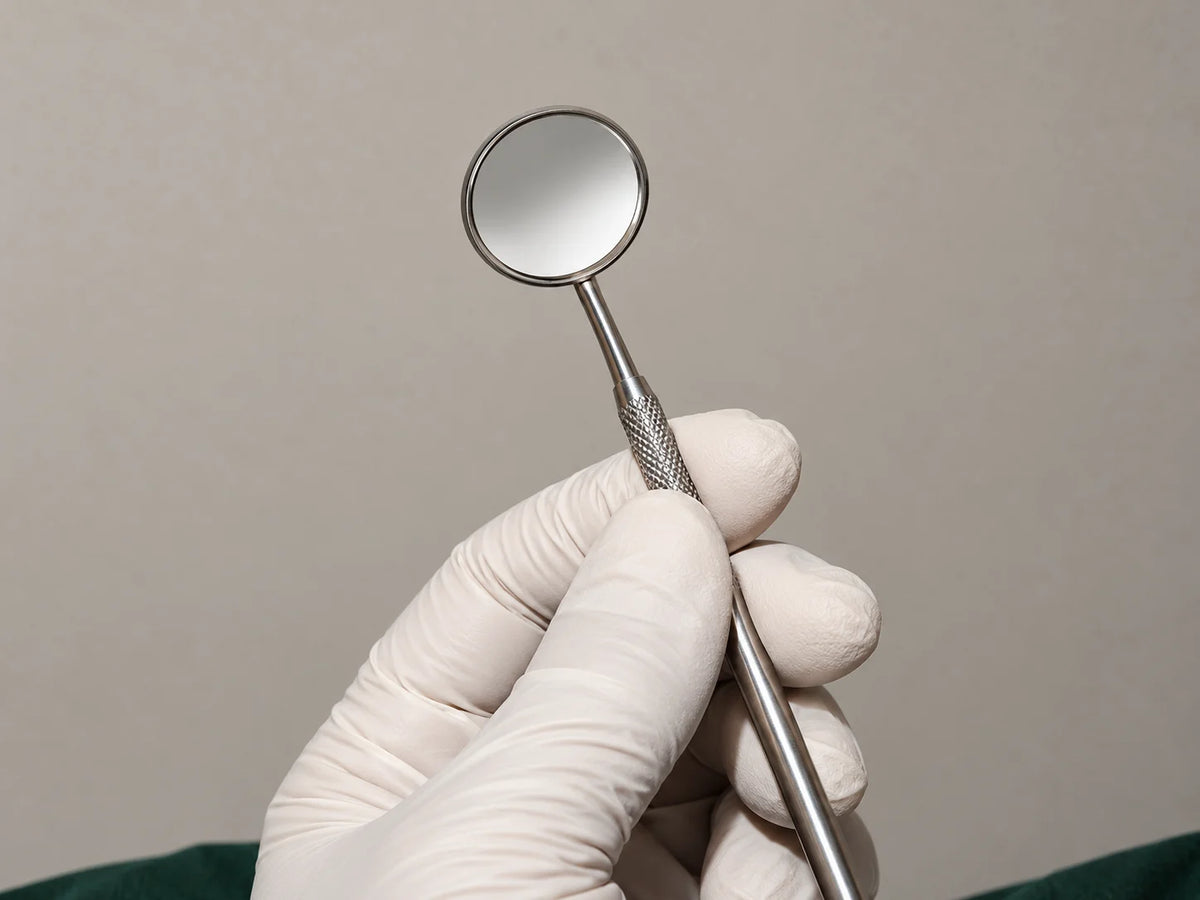
Your dentist reviews the proposed movements with specialist orthodontic input, then explains the timing and fee before you decide.
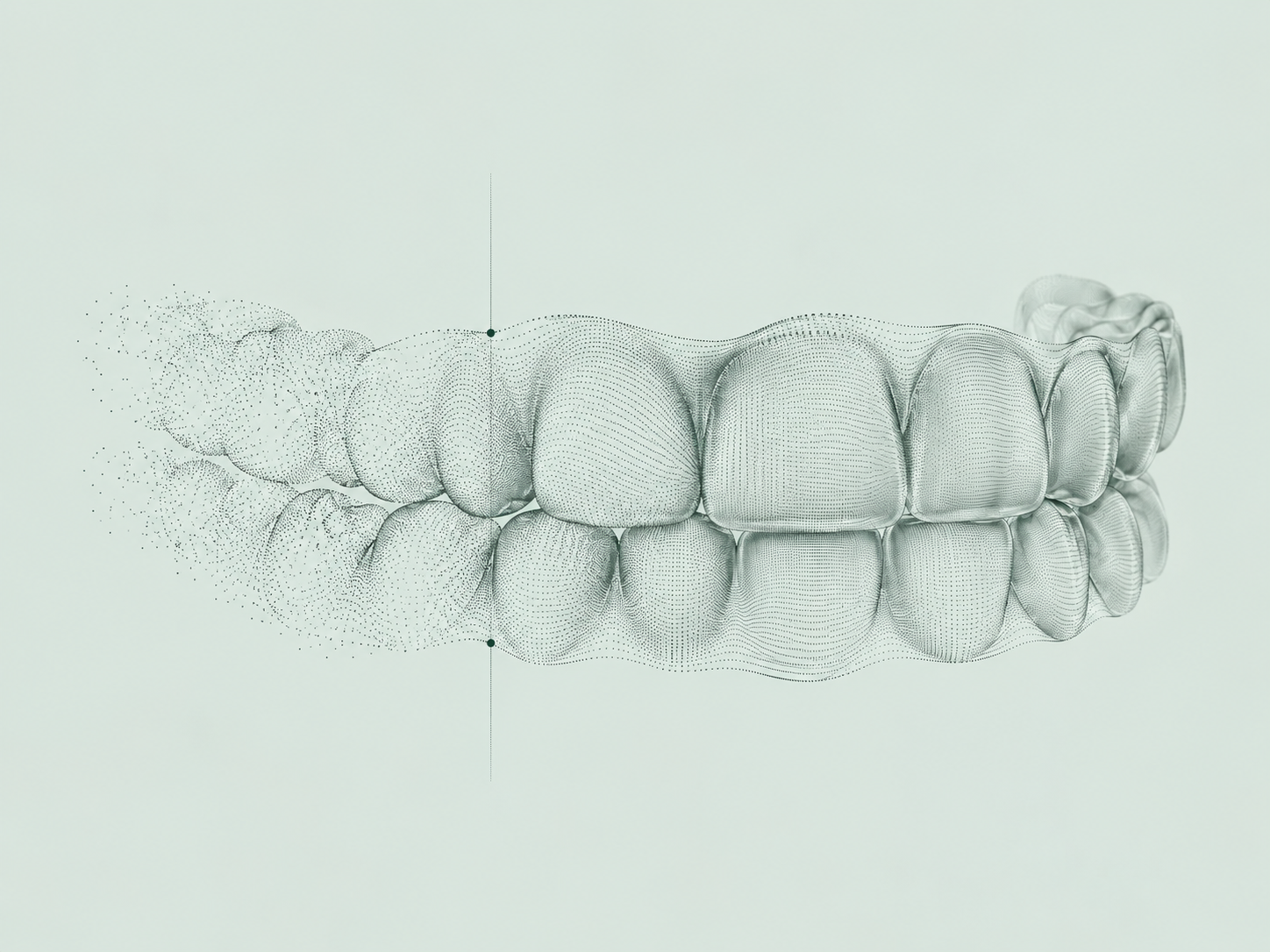
Send scans from home with DentalMonitoring. Your dentist follows your progress and lets you know when to come in.

Aalto treatment starts at US$2,199. Your treating practice confirms suitability and gives you a personalized quote after assessment.
Yes. Some vertical overlap of the front teeth is normal. A dentist checks how deep it is and whether it is affecting your teeth, gums or bite.
Overbite measures how far the upper front teeth cover the lower front teeth vertically. Overjet measures how far the upper front teeth sit ahead of them horizontally. You can have both.
A deep bite is an excessive overbite. It means the upper front teeth cover more of the lower front teeth than expected when you close your bite.
Clear aligners can be used for some deep bites. Suitability depends on the cause and depth of the bite, the movements needed and how the teeth and jaws fit together.
Timing varies with the depth of the bite, the tooth movements and the type of treatment. Your dentist or orthodontist can estimate timing after assessing your bite.
Yes. A dentist or orthodontist can assess a deep bite in adults and explain whether aligners, braces or another approach may suit. Any active dental or gum problems may need care first.
Pain is only one factor. A dentist may also check for wear, chipping and contact with the gums or roof of your mouth before advising whether to monitor or treat the bite.
Retainers help maintain tooth position after orthodontic treatment. Your dentist or orthodontist will explain the right type and wear schedule for you.
American Association of Orthodontists: deep bites ↗. General information does not replace an individual assessment.
Start with a few questions about your teeth. Your dentist can assess your suitability in person.


