


Clear aligners
A series of custom trays can move teeth in selected mild underbites, where moving the teeth may be enough to improve how they meet.
Explore clear aligners meet.
Do your lower front teeth sit ahead of your upper ones when you bite down? Here’s what that can tell you about your bite, and how a dentist works out which treatment options may suit you.
Take the smile quizAn underbite is when your lower front teeth sit in front of your upper front teeth as you close your bite. It can be subtle, or the lower jaw may look more prominent.
Some underbites are mainly related to tooth position. Others involve the way the jaws have developed. Your dentist checks both because that distinction helps guide treatment.
Explore the illustration to see what your dentist considers.

In an underbite, the lower front teeth close ahead of the upper front teeth. The illustration shows that relationship from the front.
It depends on how the teeth sit, how the jaws grow and how they come together when you bite.
The angle or position of the front teeth can bring the lower ones in front of the upper ones.
Differences in how the upper and lower jaws grow can change how they line up.
Jaw shape and bite patterns can run in families.
You may notice the way your front teeth meet before you notice any discomfort. A dental exam can also reveal wear or contact points that are hard to see at home.
What helps depends on the tooth positions, the jaw relationship and, for children, how much growth remains.
A series of custom trays can move teeth in selected mild underbites, where moving the teeth may be enough to improve how they meet.
Explore clear alignersBrackets and wires can move teeth to change how they meet. An orthodontist may use elastics or other appliances as part of a plan.
A specialist orthodontist can assess underbites that mainly involve the jaws, including cases where jaw growth may affect the options.
Options may include growth-guiding appliances for some children, or combined orthodontic treatment and jaw surgery for some adults with a significant difference in jaw position.
Aligners may suit some mild underbites that are mainly related to tooth position. An exam helps your dentist determine whether moving the teeth can address the way your bite fits together.
It starts with what you’ve noticed. If aligners are right for you, your dentist will explain what needs to move and how your progress will be checked.
Explore how Aalto care worksTell us what you’ve noticed and what you’d like to change.
Start the quizYour dentist examines your teeth, gums and bite and gathers records to help plan your care.
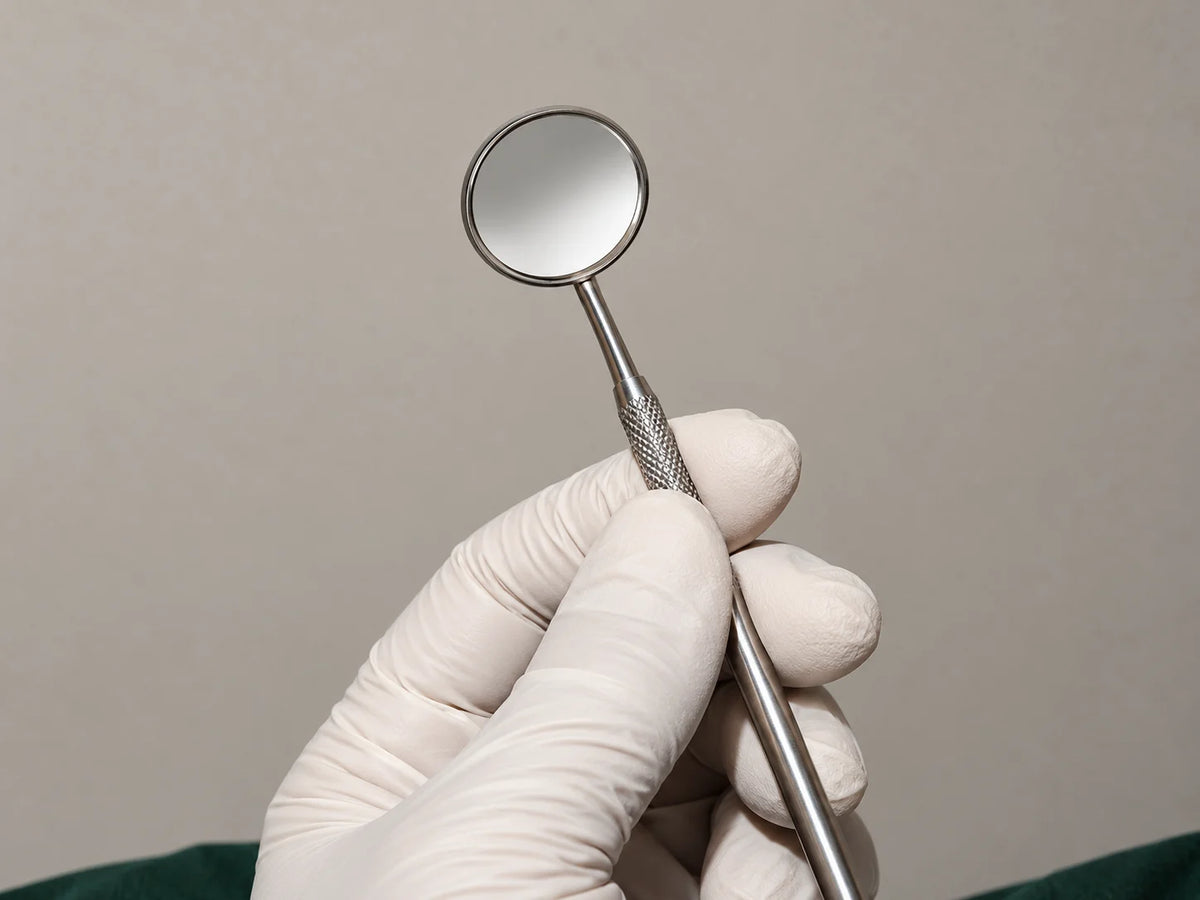
Your dentist reviews the proposed movements with specialist orthodontic input, then explains the timing and fee before you decide.
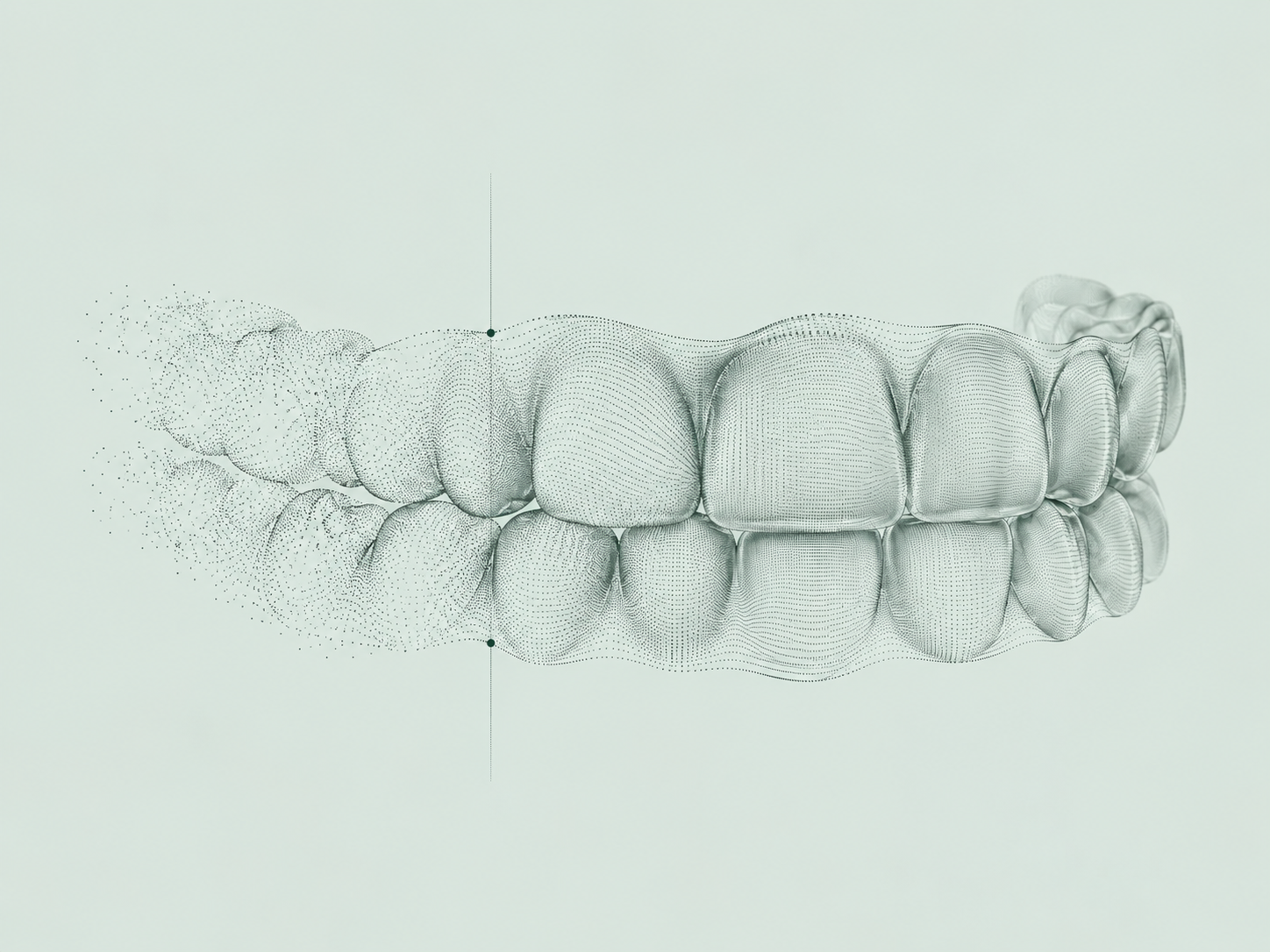
Send scans from home with DentalMonitoring. Your dentist follows your progress and lets you know when to come in.

Aalto treatment starts at US$2,199. Your treating practice confirms suitability and gives you a personalized quote after assessment.
An underbite means the lower front teeth sit ahead of the upper ones. Overbite describes how far the upper front teeth cover the lower front teeth vertically.
Aligners can help some mild underbites that mainly involve tooth position. Your dentist or orthodontist will assess the bite and jaw relationship before advising whether aligners could help.
Some underbites can be managed with orthodontic treatment alone. A significant difference in jaw position may need a specialist assessment to discuss options, which can include jaw surgery.
Yes. An orthodontic assessment can help determine which options suit an adult bite. If the jaw relationship is a major factor, treatment may involve more than moving the teeth.
An early assessment can help determine whether to monitor the bite or consider treatment while the jaws are still growing. Ask your dentist about the right timing for your child.
Timing depends on the cause and complexity of the underbite, the treatment approach and the movements needed. Your treating team can give you an estimate after an assessment.
A dentist or orthodontist can check how the bite functions and look for tooth wear, discomfort or other concerns. They can discuss whether monitoring or treatment makes sense for you.
Retainers help maintain tooth position after orthodontic treatment. Your treating team will explain the retainer type and wear schedule for your case.
American Association of Orthodontists: underbite ↗. General information does not replace an individual assessment.
Start with a few questions about your teeth. Your dentist can assess your suitability in person.


